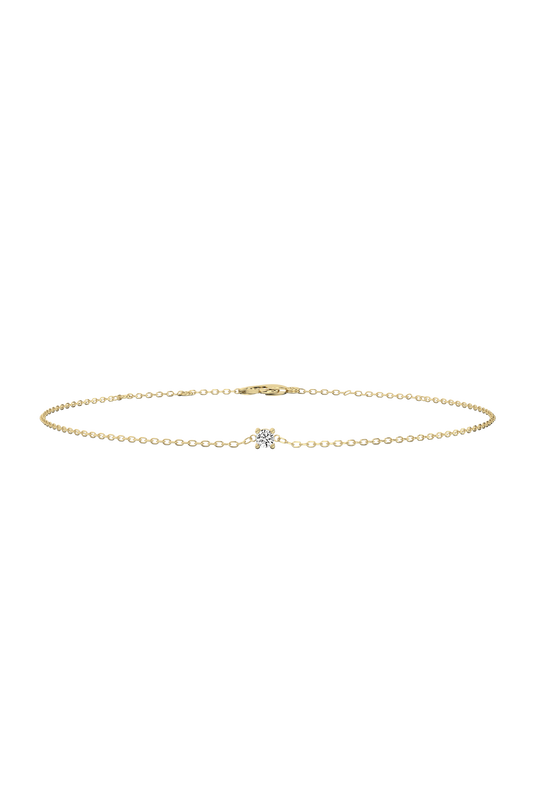
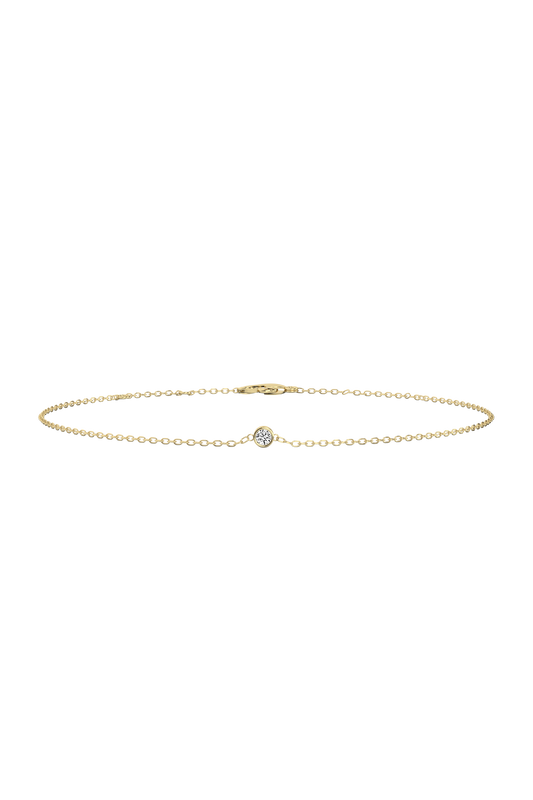
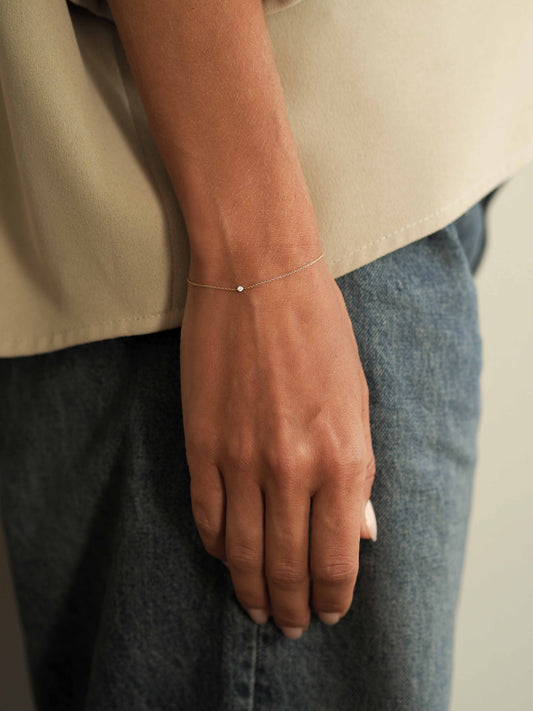
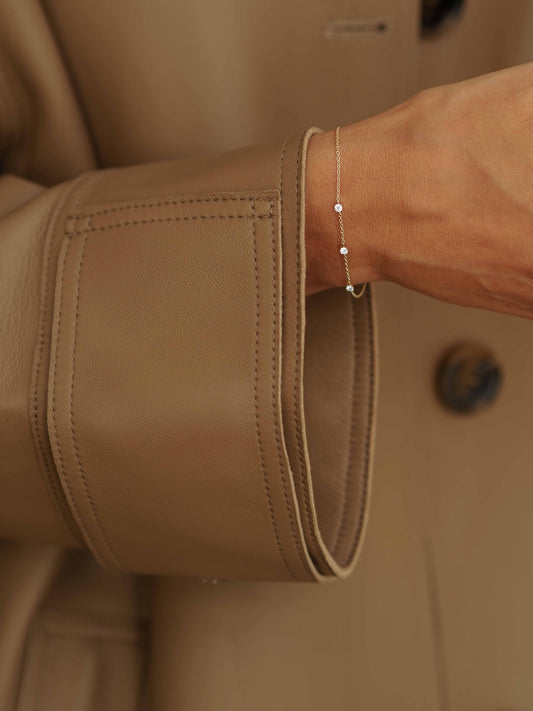
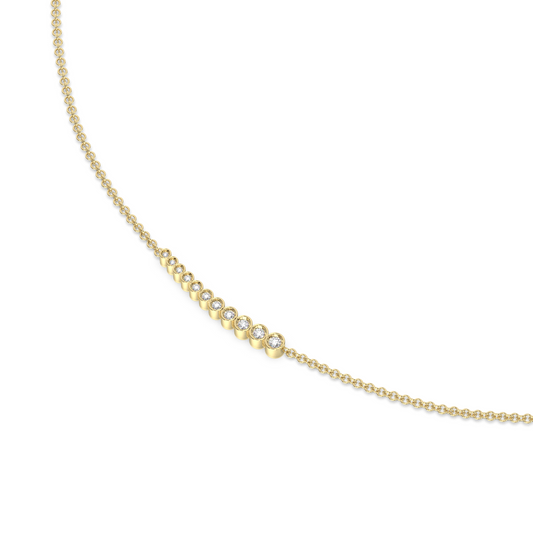
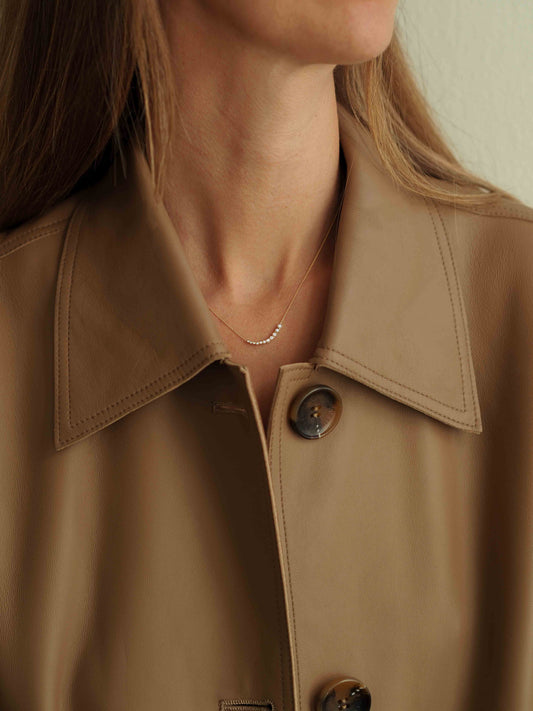
Natural Diamonds
Every natural diamond begins its story deep within the earth — long before it reaches you.


Understanding Natural Diamonds
What are natural diamonds?
Natural diamonds are formed deep within the earth, under immense heat and pressure, over billions of years — long before it's ever set in a piece of jewellery.
How are natural diamonds formed?
Natural diamonds form beneath the earth's surface, roughly 150 to 200 kilometres down, where carbon is exposed to extreme heat and pressure over billions of years. Volcanic activity eventually carries them closer to the surface, where they are mined, cut and polished into the stones we know today.
Natural or lab-grown — what's the difference?
Natural and lab-grown diamonds share the same brilliance, durability and composition. Physically and optically, they are identical — the difference lies only in origin and time. One is formed by the earth over billions of years, the other grown above ground in a matter of weeks. Both are genuine diamonds, in every sense. The right one is simply the one that feels right for you.
Quality and authenticity
Diamonds above 0.30 ct. come with internationally recognised certification, and all natural diamonds are certified by GIA.
Each diamond is carefully selected and certified, ensuring its quality and authenticity.
The 4 Cs
Understanding the 4 Cs. Choosing a diamond involves a series of considered decisions, and we are here to guide you towards the right one. The 4 Cs - Cut, Carat, Clarity and Color - are the traditional criteria used to evaluate a diamond’s quality, brilliance and overall appearance. By understanding these characteristics, you can choose a diamond that feels refined, timeless and right for you.
Read more hereThe Cut
Cut describes how a diamond is shaped and polished, and is the most important factor in how it reflects light. A well-cut diamond creates maximum brilliance and sparkle, while a poorly cut diamond can appear darker and less vibrant.
The Carat
Carat refers to the weight of a diamond and is often associated with its size. As the carat weight increases, the diamond typically appears larger.
The clarity
Clarity refers to the presence of natural inclusions within a diamond. These small internal characteristics can affect how light moves through the stone and its overall appearance.
the color
Color describes how colorless a diamond appears. The scale ranges from D to Z, with diamonds graded between D and H considered white or near colorless, with differences that are often not visible to the naked eye.
Responsibly Sourced
-
Fully traceable
We carefully select all of our materials and partners, so we can track every step of your diamond's journey.
-
Certified conflict-free
Our natural diamonds are responsibly sourced and compliant with the Kimberley Process. Learn more about the Kimberley Process here.
-
RJC-certified suppliers
The highest standards for ethics, environment and labour conditions, from origin to finished piece.