


















Diamonds created in the earth itself
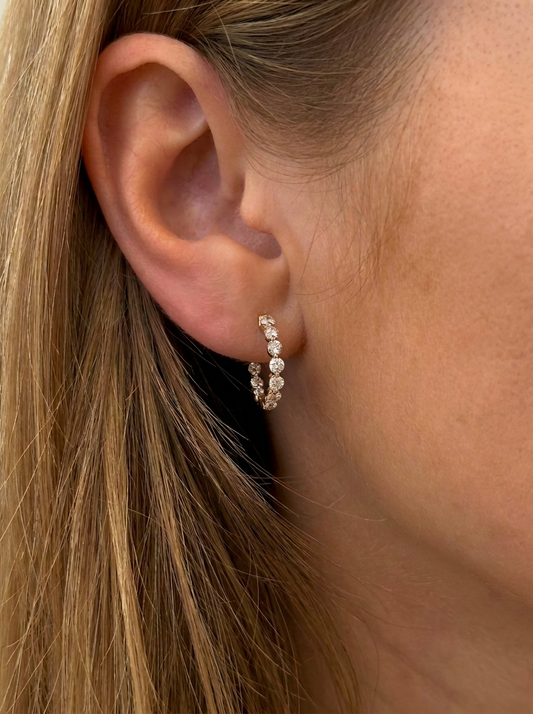
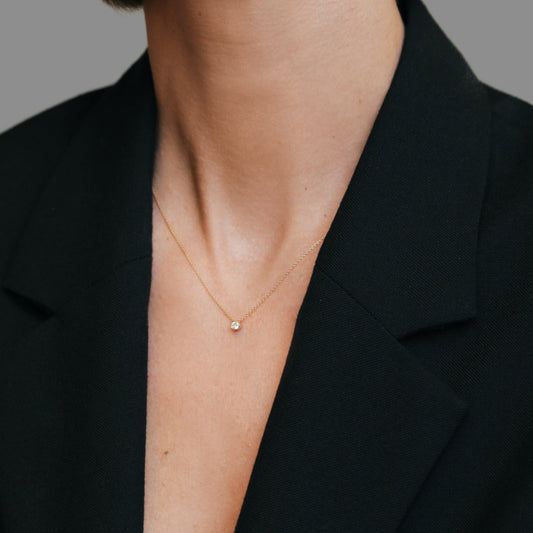
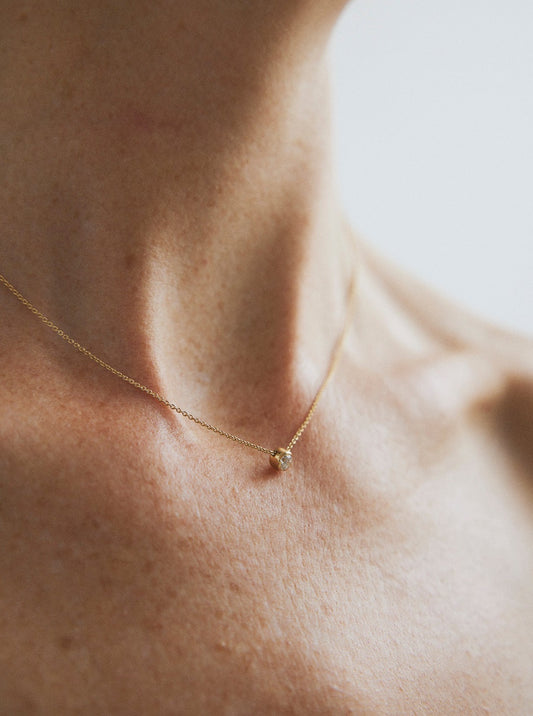
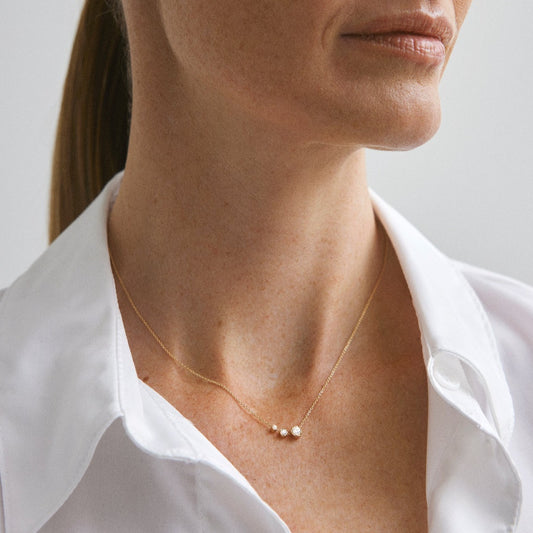
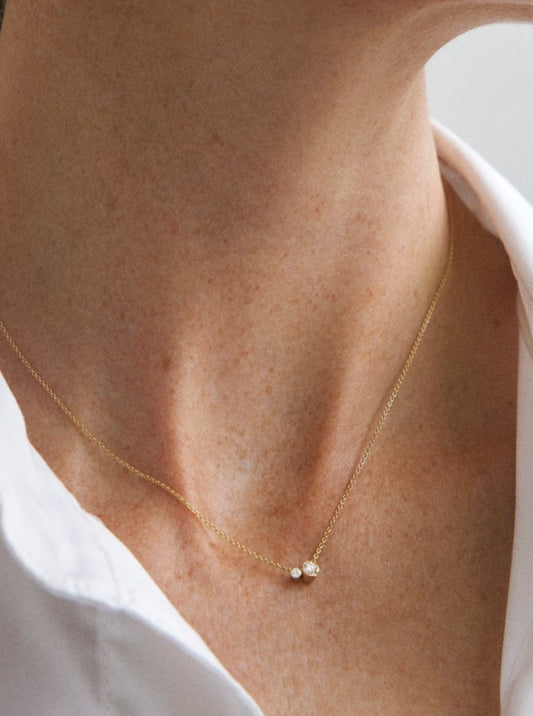
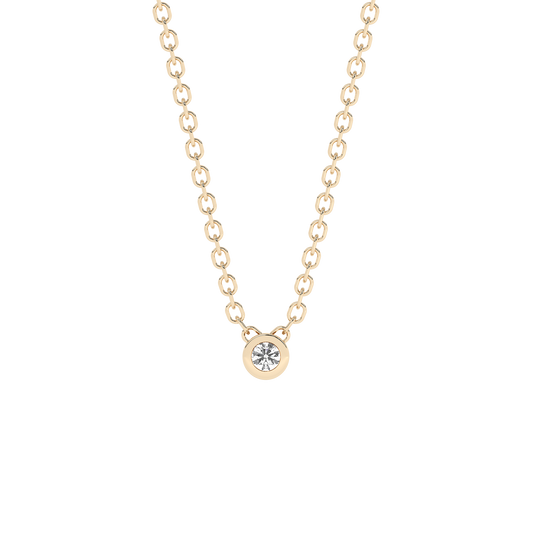
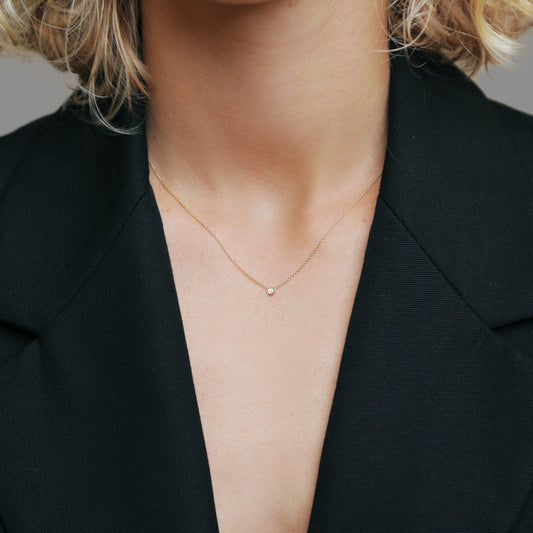
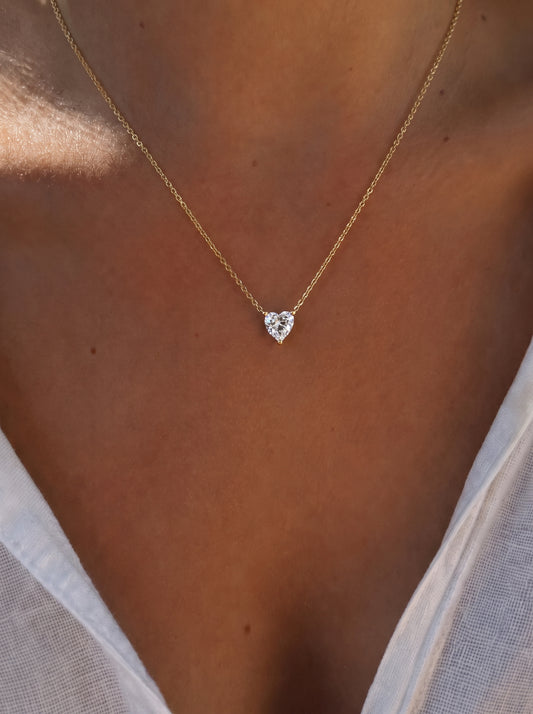
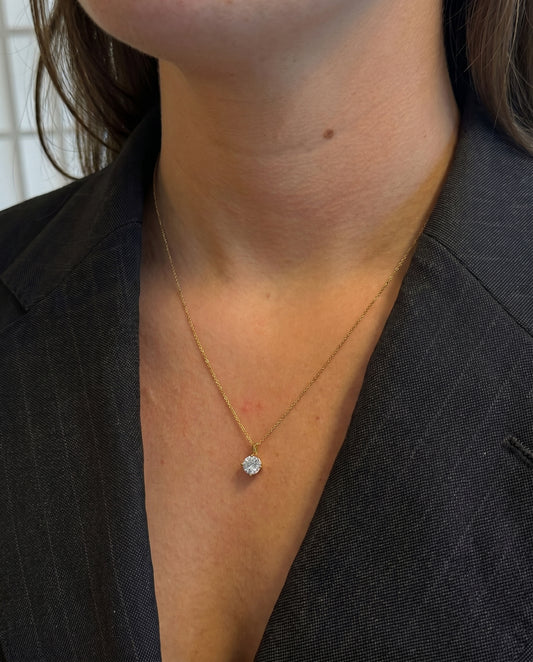
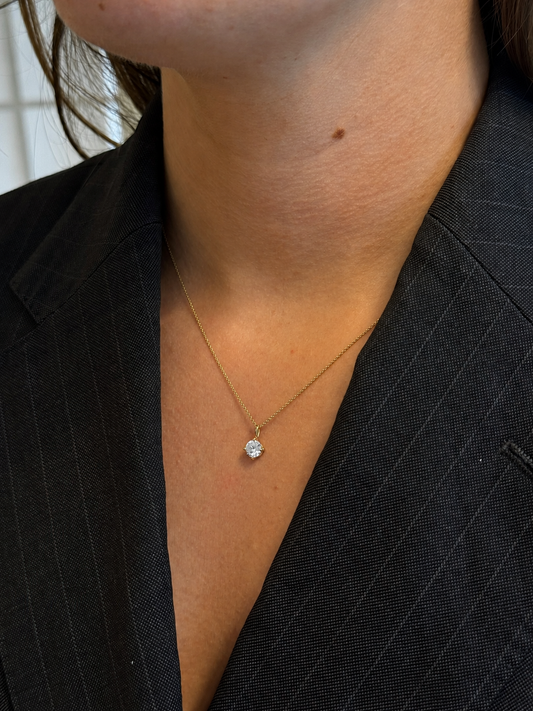
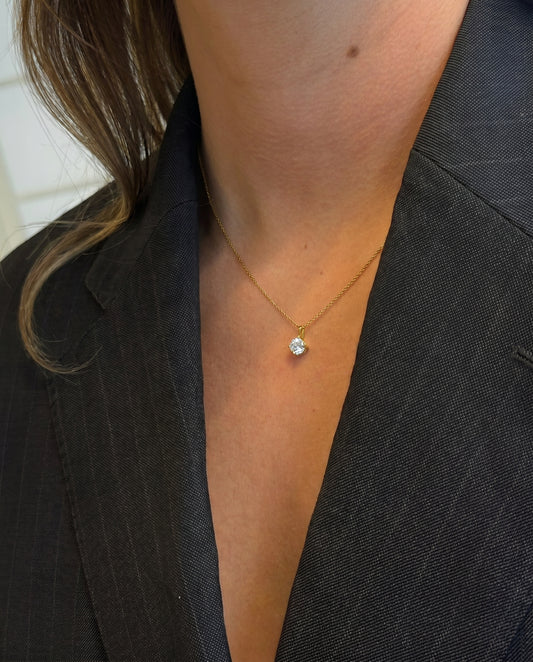
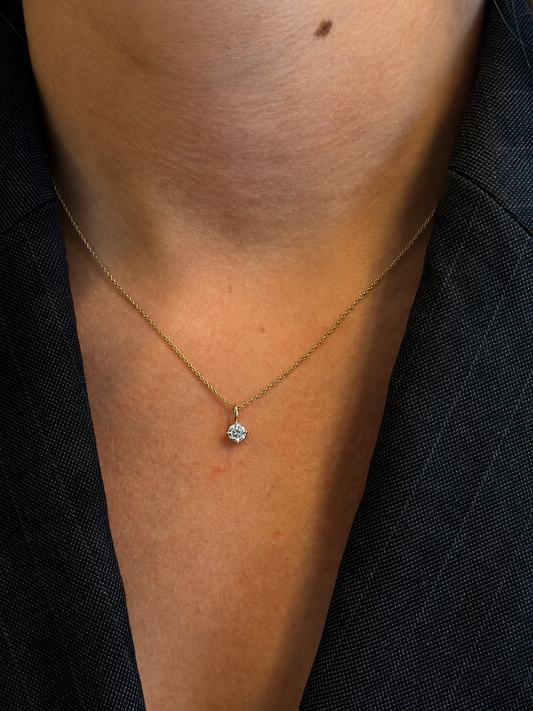
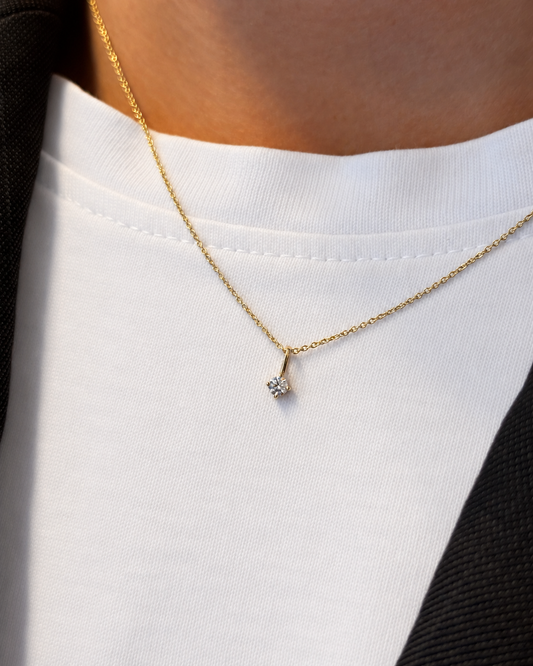
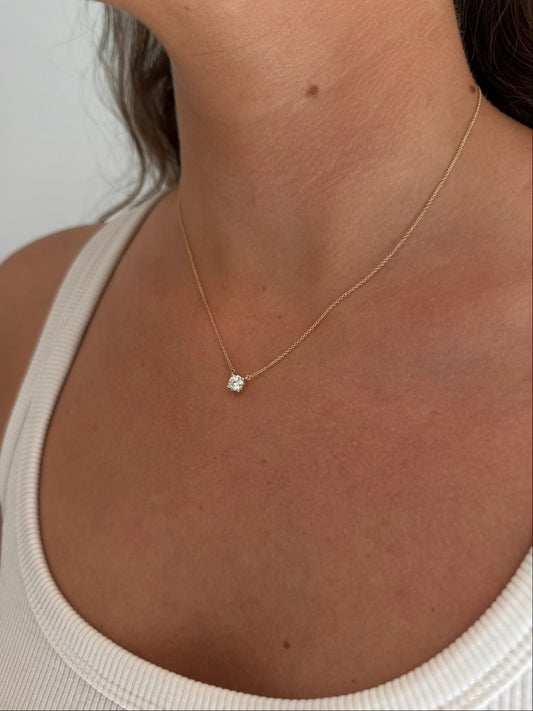
Here you will find jewellery with natural diamonds. A natural diamond is formed deep beneath the earth's surface, where carbon is pressed together over a long period under enormous pressure and high heat. The result is a stone with the hardness and the light refraction that diamonds are known for. The same stone features in everything from small earrings to rings and necklaces. Below you can read what characterises a natural diamond, how it differs from a lab-grown diamond, and which pieces in the collection show the stone best.
Natural diamond and lab-grown diamond have the same composition
A natural diamond and a lab-grown diamond both consist of pure carbon and have the same crystal structure. The only difference is where the stone comes into being. The natural diamond is formed in the earth over a long time, while a lab-grown diamond grows in a laboratory under controlled conditions. Both measure 10 on the Mohs scale and are thus the hardest naturally occurring material. With the naked eye, few people can tell the difference. If you want to delve into how a lab-grown diamond comes into being, you can read more in what are lab-grown diamonds. If you would rather choose laboratory-created stones, you will find them under lab-grown diamonds.
The four Cs determine the stone's expression
A diamond's expression depends on four factors, often called the four Cs. They are cut, colour, clarity and carat. Cut is about how precisely the stone is cut and has a major influence on how much it sparkles. Colour describes how colourless the stone is. Clarity covers how few inclusions the stone has. Carat is the weight and is linked to the size. The same four factors apply to both natural and lab-grown diamonds. If you want to understand what a diamond is made up of, what are diamonds made of gives a thorough explanation.
Solitaire, pavé and eternity show the stone differently
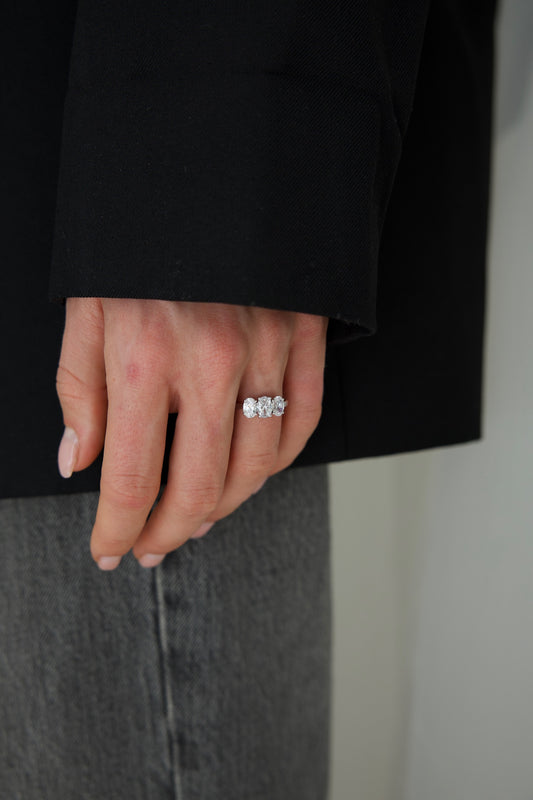
The setting determines how the natural diamond is brought out. A solitaire ring has one centre stone in a prong setting and lets the light hit the stone from all sides, as in a snail solitaire or an oval pavé solitaire. A pavé ring sets many small stones close together in the surface, so the ring sparkles all the way round. If you want diamonds all the way around the band, an eternity ring like this small eternity is an obvious choice. The rings are available in sizes 48 to 60. See the full range of solitaire rings and eternity rings.
Diamond jewellery for everyday and for special occasions
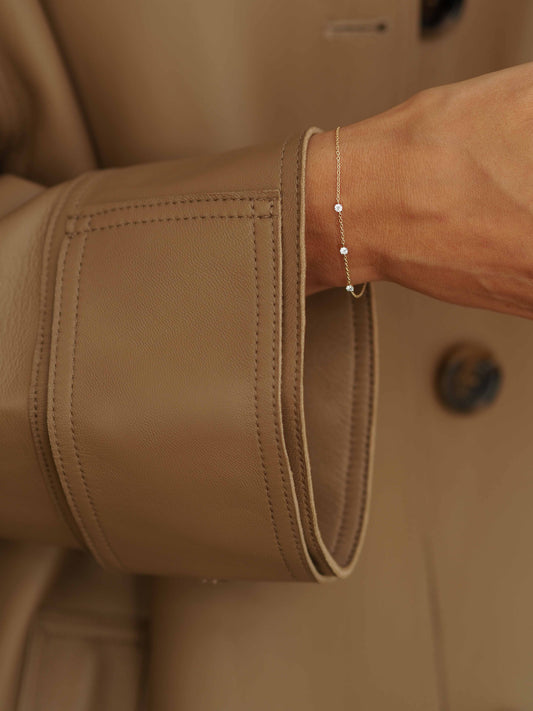
Small diamonds are well suited to daily wear. A pair of small bezel diamond studs has the stone set in a rim of gold that protects it, and a pair of prong diamond studs lifts the stone up in prongs, so it catches more light. For a bolder look there is a tennis diamond bracelet with a row of identical round, brilliant-cut diamonds, in lengths from 15 to 19 centimetres. You will find the entire range with stones under diamonds.