Where can you get jewellery engraved?
-

-
Engraving takes a piece of jewellery from being beautiful to being personal. A date on the inside of a ring, a pair of initials on the back of a pendant or a short word on a wide ring band turns the piece into a memory that cannot be copied. Most goldsmiths and jewellers offer engraving, either by hand or by machine, and which method suits best depends on the piece, the metal and how much text is to be included. Here we go through where to get jewellery engraved, what it can say, and which pieces are suited to it.
How to get a piece of jewellery engraved
Engraving is done by a goldsmith or jeweller who either cuts the text by hand with a graver or uses a machine. Hand engraving gives a lively, slightly irregular look, where each letter is cut individually. Machine engraving, often a laser or a computer-controlled mill, gives a uniform and very precise result and also handles small type sizes and fine fonts. Both methods remove a little metal from the surface, so the engraving stays permanently in place.
If you buy the piece at the same place that is to engrave it, the process is simplest, because the piece is already in the hands of the person cutting the text. If you already own a piece, you can take it to a goldsmith and have it engraved afterwards, as long as the material and shape allow it. Thin chains and very small surfaces can be difficult to engrave, while a wide, flat surface is easy to work on.
Which pieces of jewellery are best suited to engraving?
The larger and flatter a surface is, the more room there is for text, and the nicer the result looks. Some types of jewellery are almost made for engraving, while others only have room for a few characters.
Signet rings with a wide, flat face
A signet ring has a wide, flat ring face and is the classic ring for engraving. Originally you wore a family crest or a monogram on the face, so the ring could be used as a personal seal, and that tradition lives on in initials and symbols today. At Longvé, signet rings are available in sterling silver in both an oval and a square model, and several of them have a set stone of black agate. If you want to see the selection, you will find them under signet rings, where both an oval signet ring and a square signet ring give plenty of room on the face.
Rings with an engraving on the inside
Many choose to engrave the inside of a ring, so the text is hidden and known only to the person wearing it. It is the most common placement on engagement and wedding rings, where a date or a pair of initials fits precisely onto the smooth inside. The inside of a ring is a narrow surface, so the number of characters is limited, but for a short text it is ideal. If you need inspiration for the wording, the article what do you write in a wedding ring goes through the typical choices. Among Longvé's rings you will find suitable models under rings and among the selected wedding rings.
Pendants and bracelet plates with a back
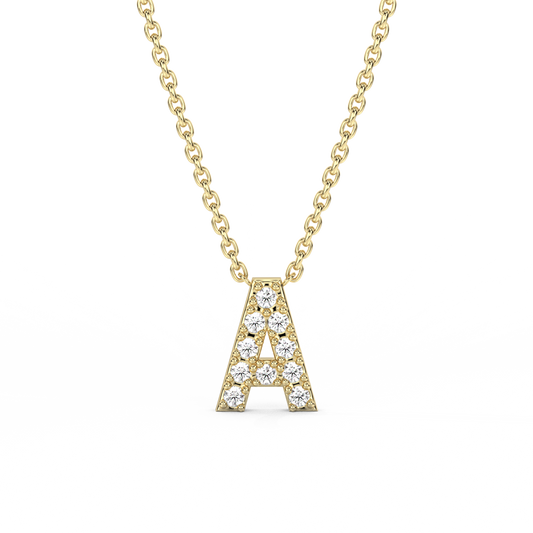
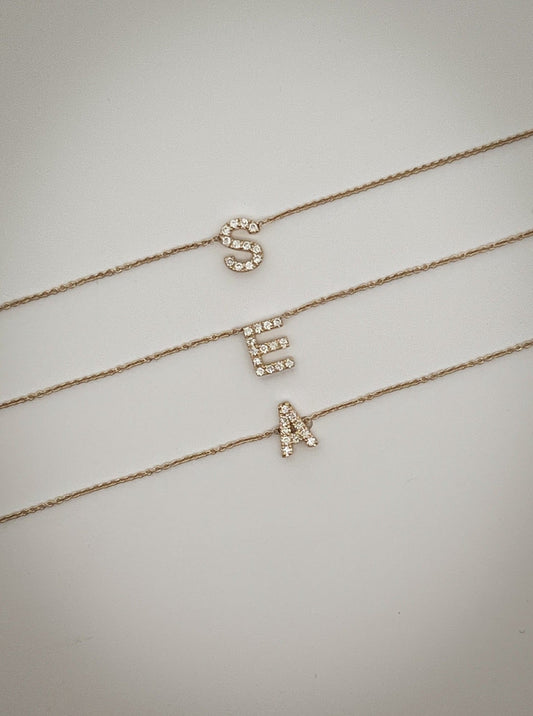
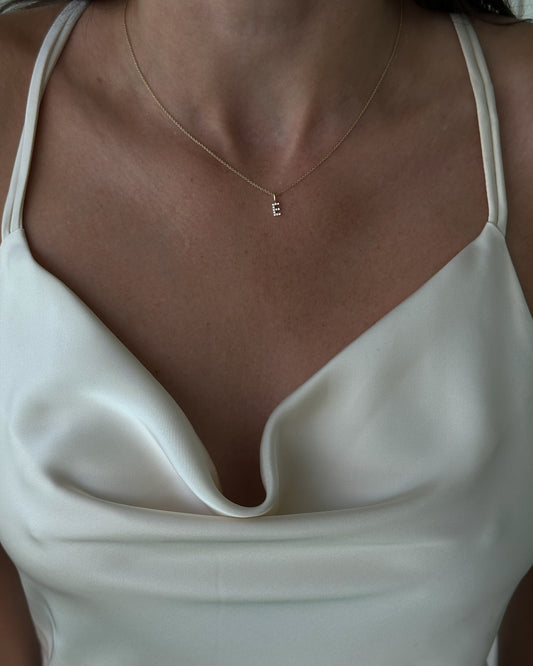
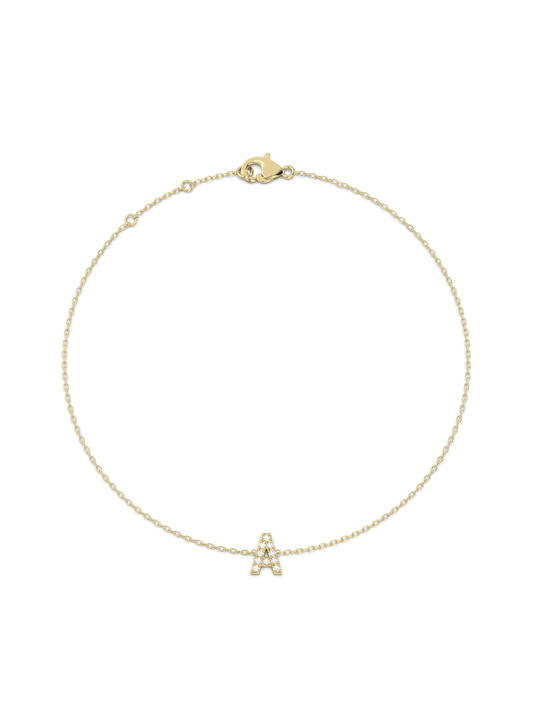
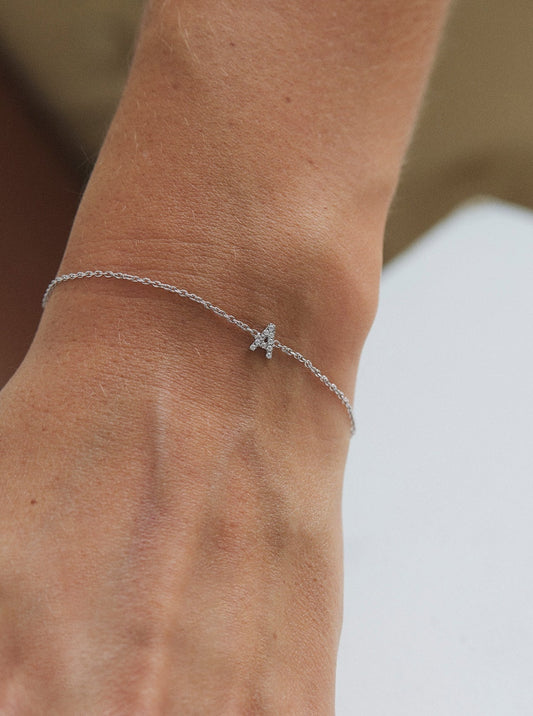
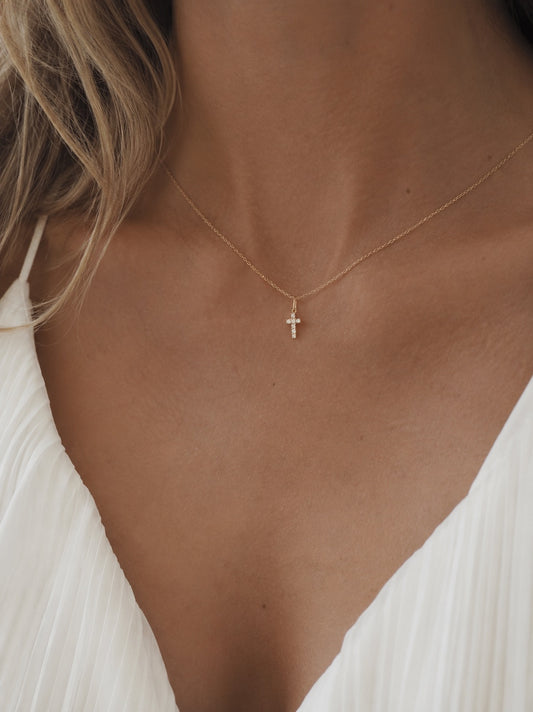
A pendant has a back that is rarely seen, and it is well suited to a discreet engraving of a name, a date or a short word. The same applies to flat plates on a bracelet. Where a chain in itself is too fine for text, the pendant provides a calm surface to work on. If you want to combine engraving with something already personal, Longvé's letter series from A to Z is available as a pendant, necklace and bracelet, and you will find it under letters. The rest of the selection is under necklaces.
What can you have engraved?
The content depends on how much room the piece has, but the possibilities are wide. A short engraving takes up less space and stands out more clearly, while a long text requires a larger surface and a fine type size.
- Initials or a monogram, often on a signet ring or a pendant.
- A date, for example a birthday, a wedding day or the day of an important moment.
- A name or a nickname.
- A short word or a short sentence with personal meaning.
- A small symbol such as a heart, a star or an infinity sign.
Coordinates, a fingerprint or handwriting can also be done by a goldsmith who works with laser engraving, because that method reproduces fine details precisely. The more detailed the motif is, the more important the choice of the engraver's method and the jewellery's surface becomes.
How the metal affects the engraving
The metal determines how clean and durable the engraving looks. Gold and white gold are soft enough that both hand and machine engraving cut a clean line, and the text stays in place over time. Longvé uses 14K gold and 14K white gold for the vast majority of its jewellery, and both are engraved without problems.
Sterling silver, which Longvé's signet rings are made of, is also well suited to engraving and provides a clear contrast between the cut line and the polished surface. Silver darkens over time as it reacts with sulphur in the air, and this can actually accentuate an engraving, because the recessed lines retain a little dark patina and stand out more clearly.
Good to know
Have the piece engraved before it has been worn much. A clean, scratch-free surface gives the nicest result, and an engraving on the inside of a ring should be done before the ring is possibly resized.When should you decide on an engraving?
It is easiest to plan the engraving at the same time as the purchase, so the piece can be engraved before it is handed over. An engraving on the inside of a ring is also connected to the ring's size, because the text is placed on a specific part of the band, and a later adjustment can affect the placement. If a ring is to be both resized and engraved, the cleanest result comes from resizing first and engraving afterwards.
If the piece is intended as a gift, it is worth allowing time for the engraving before the gift is to be given, since the work takes a few days at most goldsmiths. A personal text requires that you have decided the wording in advance and checked the spelling, because an engraving cannot be removed again without grinding the surface down.