Can you propose without a ring?
-

-
There is no rule that a proposal has to include a ring. You can easily ask the question without a box in your pocket, and for many couples it is actually the more natural path. The ring is a symbol of the decision, not a condition for making it, and that makes the proposal just as valid whether the hand is empty or not.
What often holds people back is a notion that a ring has to be in place before you dare to ask. In practice, more and more people choose to propose first and find the ring together afterwards. Below we go through why that makes good sense, which alternatives you can offer instead, and how to approach the ring purchase once a yes has been said.
Why many choose to propose first and buy the ring afterwards
An engagement ring is worn every day for years, and it needs to both fit in size and match a personal taste. Guessing both in advance is difficult. By proposing without a ring, you avoid tying the choice to one model, which may not be the one the partner would have pointed to themselves.
There is also a practical consideration. The ring size is easy to get wrong, and a ring that sits too loose or too tight will have to be adjusted or exchanged anyway. When the couple chooses the ring together after the proposal, the shape, metal and fit are all settled at once.
On top of that, the moment itself is not diminished by the absence of a diamond. The question and the answer are what carry it, and the ring can come later as something you have looked forward to together.
What you can give instead of the ring
Even though the ring is waiting, many would like to have something tangible to give in the moment itself. A symbolic piece of jewellery works well as a temporary or lasting marker, and it does not have to be a ring to carry meaning.
A pendant or a necklace
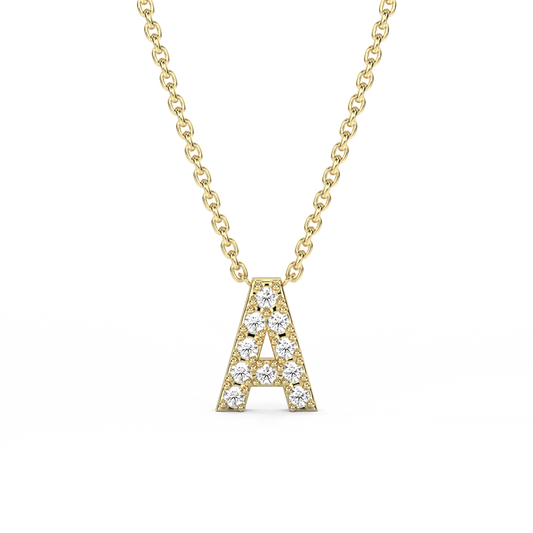
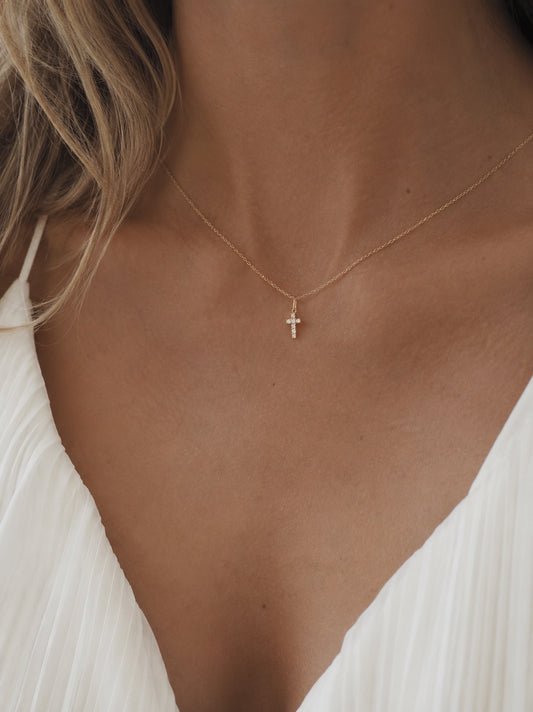
A diamond pendant is a neutral choice that suits most people, because it does not require a particular finger size. A simple design such as a solitaire pendant with a single center stone can be given in the moment and worn onwards while the ring is found afterwards. Pendants are sold without a chain, so the chain is chosen separately.
A pair of earrings
Diamond earrings are another option that is just as independent of size as a pendant. A set of prong stud earrings keeps a classic line and works both as a proposal gift and as something worn long afterwards.
A bracelet
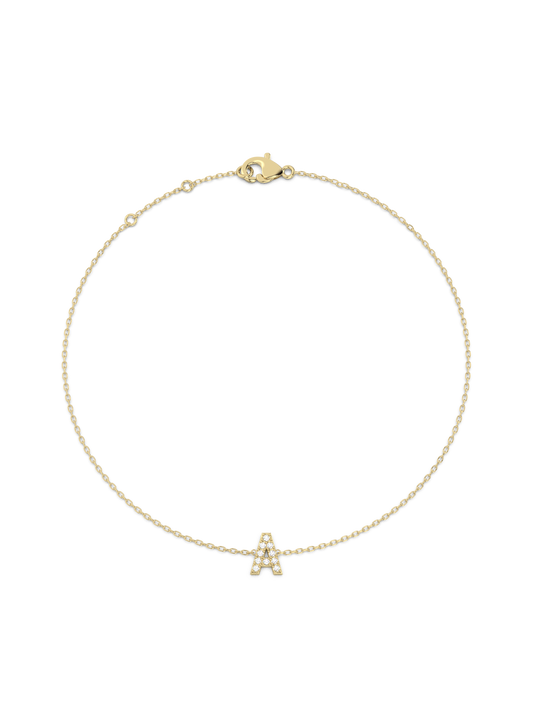
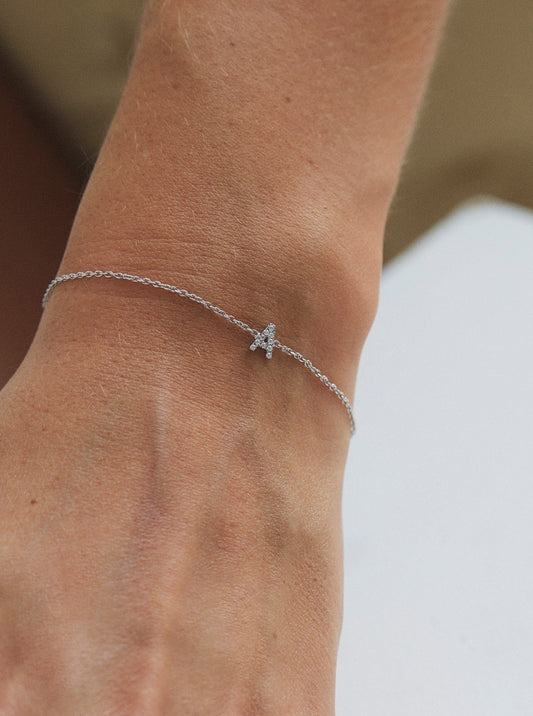
A bracelet gives more room to play with and requires no precise measurement. A tennis bracelet with a continuous row of diamonds is a striking choice that can stand as a gesture in itself until the ring comes along.
A temporary ring or nothing at all
Some choose to propose with a very simple ring that is later replaced by the real one. Others skip the tangible object entirely and let the words stand alone. Both work, and the choice mostly depends on what suits the situation and the two people it is about.
How to choose the ring together afterwards
Once the proposal is over, the ring purchase becomes a shared decision instead of a surprise that has to hit the mark. That gives peace of mind to try different shapes and figure out what actually suits the hand. Some know immediately what they want, while others only find out by trying several models side by side.
The shape of the center stone is often the first thing you form an opinion about. A round brilliant is the most classic and throws off a lot of light, while an oval or pear-shaped stone looks longer on the finger. A marquise-cut stone is narrower and more pointed, and the cushion shape has soft corners and a calmer look. Seeing them together makes it easier to choose.
Solitaire, trilogy or pavé
The construction of the ring itself is the next decision. A round solitaire ring has one center stone in a prong setting and a clean, timeless look. A trilogy ring has a center stone flanked by two side stones, which gives more width and sparkle. If you want extra sparkle along the band, a round pavé ring sets many small diamonds tightly across the surface.
The metal also plays a part. 14K gold gives a warm tone, while 14K white gold keeps the ring in a cooler, whiter line that lets the diamond stand out. The same design is often available in both, so it is easy to keep the shape and just change the color of the metal.
Lab-grown or natural diamond
Most of the rings are available with both lab-grown and natural diamonds in the same design. A lab-grown diamond has the same physical and optical properties as a natural diamond and ranks 10 on the Mohs scale, which is the highest. It is not possible to tell the difference between lab-grown and natural diamonds with the naked eye, so the choice between them is really a matter of what suits the budget and the taste.
When it makes sense to have the ring ready anyway
Proposing without a ring does not suit everyone. If you know your partner's taste down to the smallest detail and know exactly which ring would go down well, having it with you can be part of the surprise. An oval solitaire ring or a pear solitaire ring are both classic choices if you are sure of your choice.
If, on the other hand, you are in doubt about shape, metal or size, it is rarely an advantage to guess. Then it carries more weight to propose freely and let the ring become the shared decision it can well afford to be.
It is also worth remembering that the engagement ring and the wedding ring are two different rings. It is becoming more and more common to choose both, and that is a good reason to take time over the ring choice rather than rushing to have everything in place before the proposal.
The proposal stands strong without a ring
Whether you propose with a diamond, another piece of jewellery or completely empty hands, it does not change the fact that the proposal is a decision between two people. The ring marks it, but it does not create it. If you choose to find the ring afterwards, the shape, the metal and the fit all get to be right, because both people help decide.