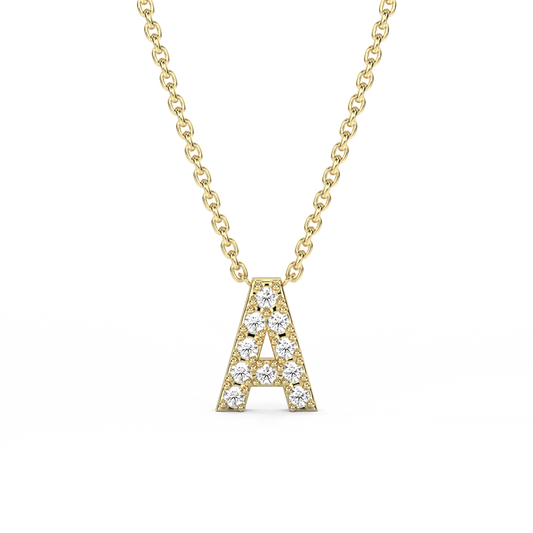
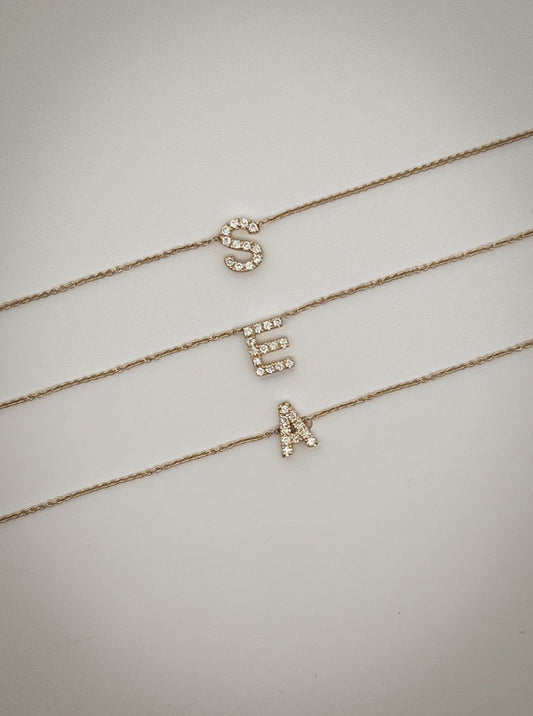
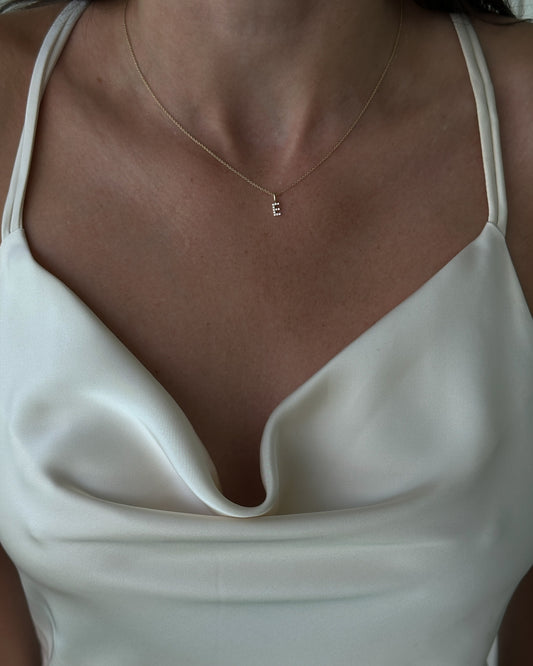
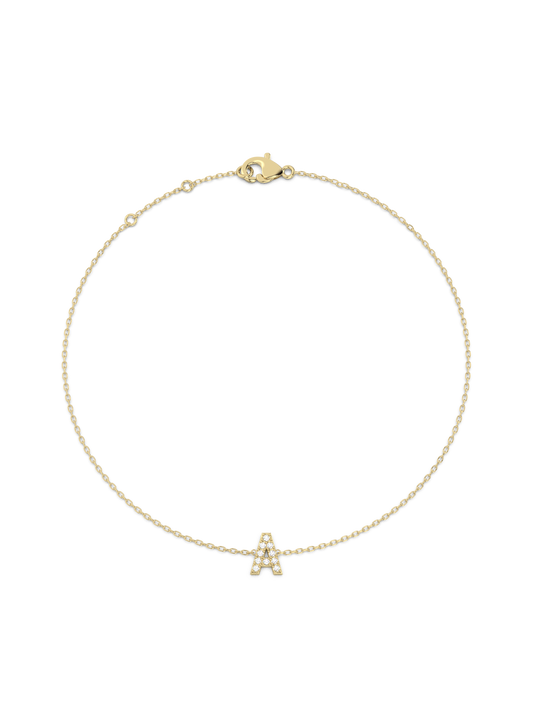
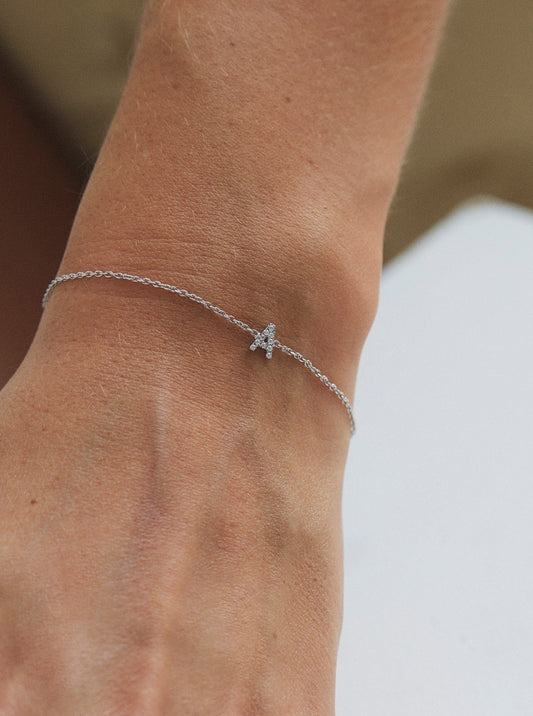
What is white gold?
-

-
White gold is a gold alloy in which the yellow gold is mixed with white metals to give it a cooler, silvery colour. In its pure form gold is always yellow and relatively soft, which is why it is mixed with other metals, both to change the colour and to make the piece of jewellery more durable. The result is a white metal that has the weight and character of gold, but a lighter appearance that many associate with diamonds and a discreet design language.
At Longvé, 14K white gold together with 14K gold are the core metals in the range. The number 14K indicates how much pure gold the alloy contains: 14 carat corresponds to 14 out of 24 parts pure gold, that is about 58.5 percent. The rest are the added metals that determine colour and strength.
Which metals are mixed into white gold?
The colour of white gold comes from the white metals that are added to the yellow gold. Historically, nickel and palladium in particular have been used to draw the colour towards white, and modern alloys often include palladium together with other white metals. Palladium belongs to the platinum family and has a naturally light, greyish-white colour of its own, which is good at neutralising the yellow tone of gold.
The composition also has practical significance. Besides the colour, the added metals affect how hard and resistant the piece of jewellery becomes in everyday use. A 14 carat alloy is a well-balanced choice, because it contains plenty of gold to preserve the character of the metal while at the same time being harder than gold of a higher carat.
Why is white gold surface-treated with rhodium?
Most white gold jewellery is given a thin coating of rhodium, a white metal from the platinum family. Rhodium is very bright and hard, and the coating gives white gold the clear, mirror-bright and slightly cool surface that many associate with the metal. Without the coating, white gold often has a slightly warmer, more greyish tone, because the yellow base material still shines faintly through.
The coating is called rhodium plating and is applied in a very thin layer. It also protects the surface and enhances diamonds, because the white metal does not add any yellowish tone around the stone. This is one of the reasons why white gold is a popular choice for diamond jewellery.
What is the difference between white gold and gold?
The difference lies first and foremost in the colour and in the metals mixed into the alloy. Both 14K gold and 14K white gold have the same amount of pure gold, but where gold retains the warm, yellow tone, white gold is drawn towards white by the added metals. In practice, the choice between the two is mostly about which colour best suits the wearer and the other jewellery worn together.
The two metals are often found in the same design. Many of Longvé's rings, necklaces and earrings are available in both colours, so the same piece of jewellery can be chosen in either the warm or the cooler variant. If you want to see the entire selection in the cooler metal, you can go directly to the collection of jewellery in 14k white gold.
White gold for diamond jewellery
White gold and diamonds are a classic combination. The white setting lets the stone appear clear and colourless, because the metal does not cast a yellow tint into the diamond. This applies both to natural diamonds and to lab-grown diamonds, which Longvé carries in many of the same designs.
A solitaire ring with a single centre stone in a claw setting is one of the most sought-after looks in white gold, because the white metal supports the stone without drawing attention away from it. One example is a round solitaire ring in 14K white gold. If you want several stones distributed across the ring band, the look is also available as an eternity ring, where small diamonds sit all the way around, or as a half eternity ring with diamonds on the upper half of the band.
Among necklaces and earrings, white gold also highlights the stones clearly. A single diamond in a pendant or a pair of ear studs gets a clean framing when the metal is white.
How to care for white gold
White gold requires a little more attention than gold, precisely because the rhodium coating wears down. Over time, and especially on jewellery worn daily such as rings, the thin layer of rhodium can gradually become thinner, so the slightly warmer base colour begins to show through. This is a completely normal part of the metal's life and not a sign of poor quality.
For daily care, it is enough to wipe the piece of jewellery with a soft cloth and occasionally clean it gently in lukewarm water with a little mild soap. Harsh chemicals, chlorinated water and hard knocks should be avoided, as they can wear on both the surface and the setting. If the surface becomes more matte or warmer in tone over the years, a white gold piece can be re-plated with rhodium at a goldsmith, so the clear white colour is restored.
Some deliberately choose the warmer metal to avoid the maintenance of the coating. The entire selection in the yellow colour is found in the collection of jewellery in 14k yellow gold, while the complete range across metals can be seen under rings.