What is the difference between gold and white gold?
-

-
The difference between gold and white gold lies in what the pure gold is mixed with, and how the surface is treated. Both originate from the same precious metal - pure gold is always golden - but white gold is alloyed with white metals and usually given a surface treatment that provides the cool, silvery-white colour. Gold keeps its warm golden tone without any further treatment. For you, who have to choose between the two for a ring, necklace, or a pair of earrings, the difference in practice comes down to colour, how much maintenance the metal requires over time, and how diamonds and skin tones interact with it.
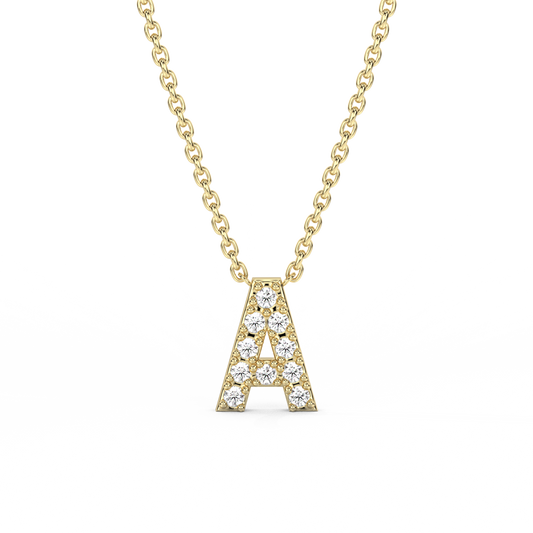
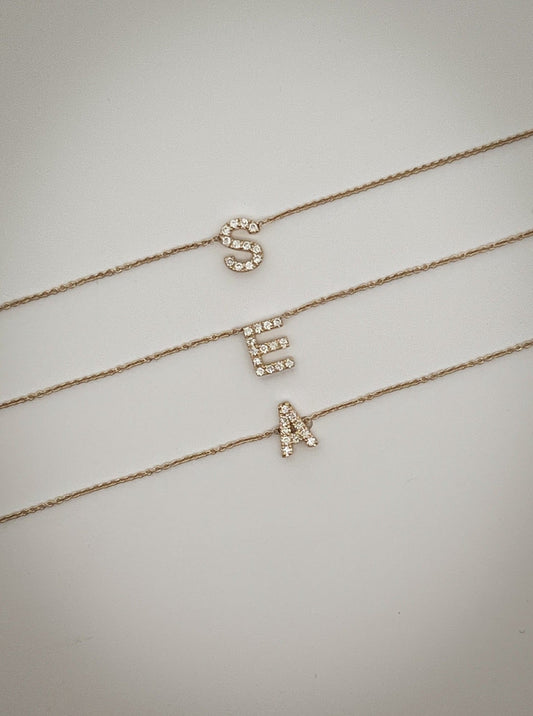
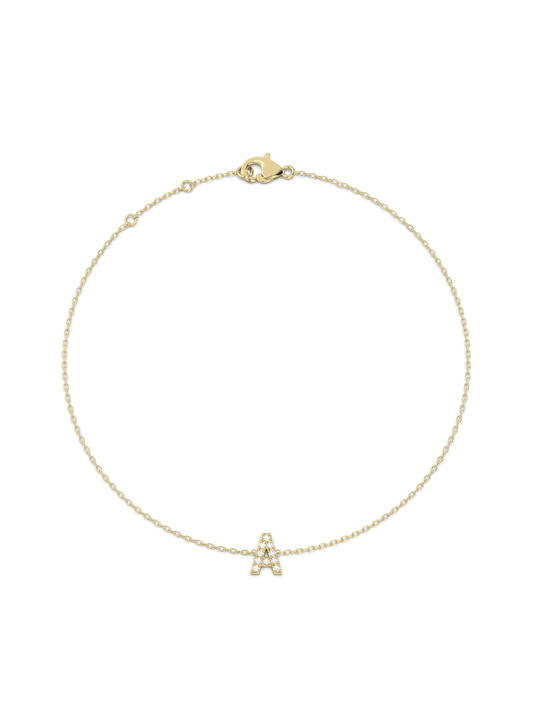
In Longvé's range, 14K gold and 14K white gold are the core metals, and many designs are available in both variants, so the same piece of jewellery can be had in the golden and the white version.
Why both are gold, yet look different
Pure gold is too soft for jewellery you wear every day. That is why it is always alloyed with other metals that make it harder and more durable. It is precisely this alloy that determines the colour.
For ordinary gold, copper and silver are typically added, which preserve and enhance the warm, golden tone. For white gold, light, whitish metals are added instead - often palladium - which pull the colour away from the golden and towards a greyish-white shade. The more of the white metal in the alloy, the more neutral the base colour becomes.
A 14K stamp means that 14 out of 24 parts are pure gold, regardless of whether the piece is yellow or white. Both metals therefore contain exactly the same amount of pure gold - only the remaining parts differ.
What rhodium plating means for the colour of white gold
Even with a white alloy, white gold is not entirely silvery-white on its own. It has a faint, warm undertone. To achieve the clear, cool shine most people associate with white gold, the piece is coated with a thin layer of rhodium - a bright and hard metal from the platinum group. This treatment is called rhodium plating.
The rhodium plating is a surface layer, not a part of the gold itself. Over time the layer slowly wears off on the surfaces that have the most contact with skin, clothing, and other surfaces - typically the underside of a ring or the clasp of a necklace. When this happens, the white gold's own, slightly warmer undertone can begin to show through. The piece can be re-rhodium plated, so that the cool white colour returns.
Gold does not have this layer and therefore does not change colour in the same way. It keeps its tone and at most develops a matt surface, which can be polished up again.
When to choose gold, and when white gold
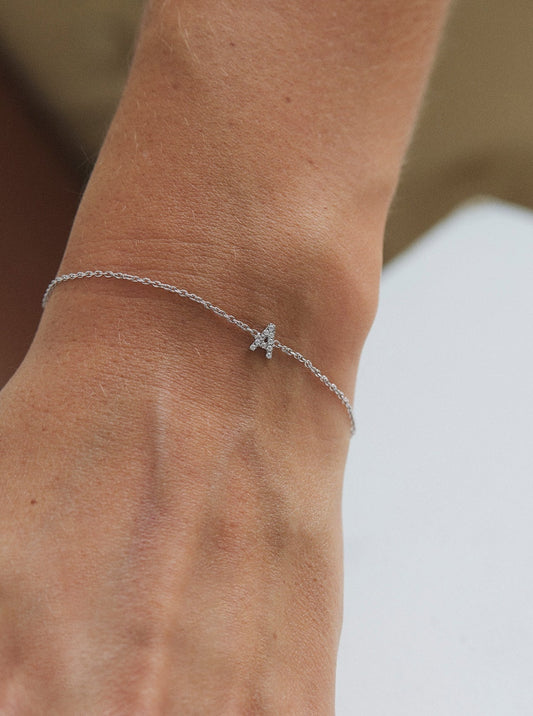
The choice between the two is first and foremost a matter of colour and expression. Gold provides a warm, classic tone that blends in with golden skin undertones and gives a soft, traditional look. White gold provides a cooler, more discreet look, reminiscent of platinum and silver, which some feel highlights a diamond's brilliance more clearly against the neutral background.
It also plays a role whether the piece should match other jewellery you already wear. Many stick to one metal colour to create a cohesive look, while others deliberately mix yellow and white.
If you have to choose for several pieces of jewellery at once, it helps to see them in the same metal. Longvé carries a complete collection in 14k-yellow-gold and a corresponding one in 14k-white-gold, making it easy to get an overview of how each design looks in each colour.
How diamonds interact with the two metals
The metal colour affects how a diamond is perceived. Against white gold, a colourless stone appears neutral, because the setting adds no warmth. Against gold, the golden setting can give the stone a slightly warmer glow. Neither is more correct than the other - it is a matter of which look you are after.
This applies regardless of whether the stone is a lab-grown or a natural diamond. Both types are genuine diamonds with the same optical properties, and they react the same way to the colour of the setting.
At Longvé, many diamond pieces are available in both metals and in both stone types. A solitaire ring such as a round solitaire ring in white gold places the stone at the centre against a neutral background, while a pair of studs such as a prong stud in gold gives the same stone a warmer character. If you want to see how different cuts look against each metal, the collection of diamonds gathers the designs in one place.
What the two metals require in terms of maintenance
Both metals are durable in everyday use, but they age differently. Gold only requires ordinary cleaning and a polish if the surface becomes matt. The colour does not change.
White gold requires the same, but in addition the rhodium plating may need to be renewed every few years, depending on how much the piece is worn. A ring worn daily wears faster than a necklace or a pair of earrings that are kept more protected. This is not a flaw in the metal, but a natural part of how a rhodium-plated piece develops.
For both, scratches and a matt surface can be polished away, and gentle storage separate from other jewellery keeps the surface looking nice for longer.