What is a permanent ring?
-

-
A permanent ring is a ring without a clasp that is welded directly together around the finger, so it cannot be taken on and off in everyday life. Instead of an opening closed with a setting or a join, the ring is fitted to the finger and closed with a small weld point. The result is a snug ring that stays on until it is cut open again.
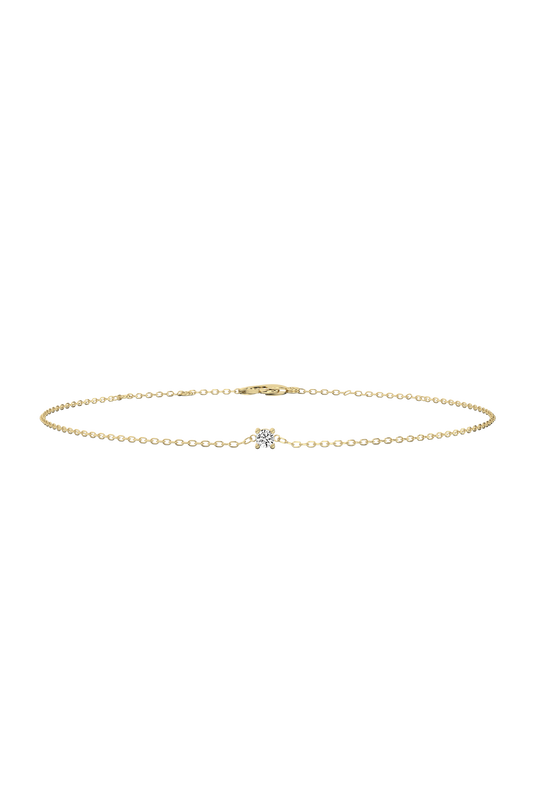
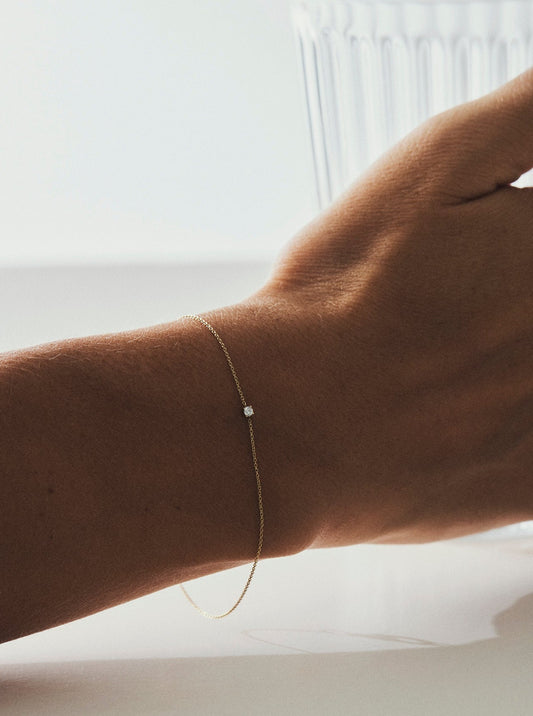
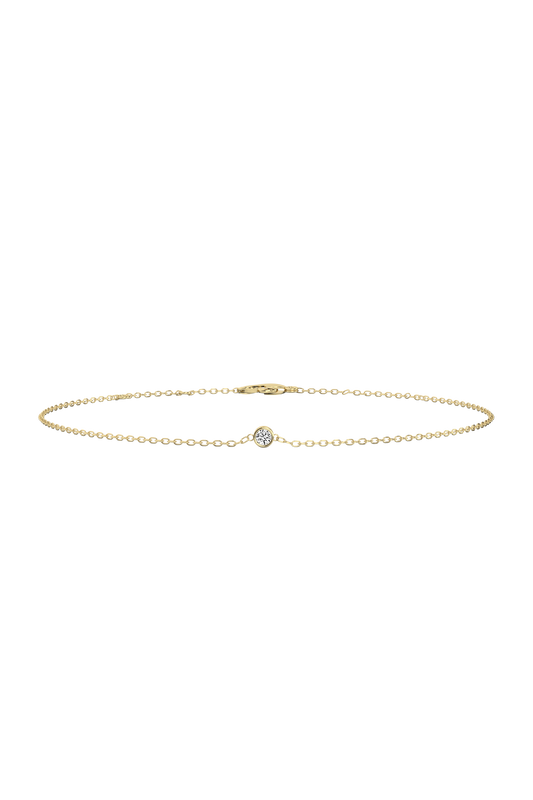
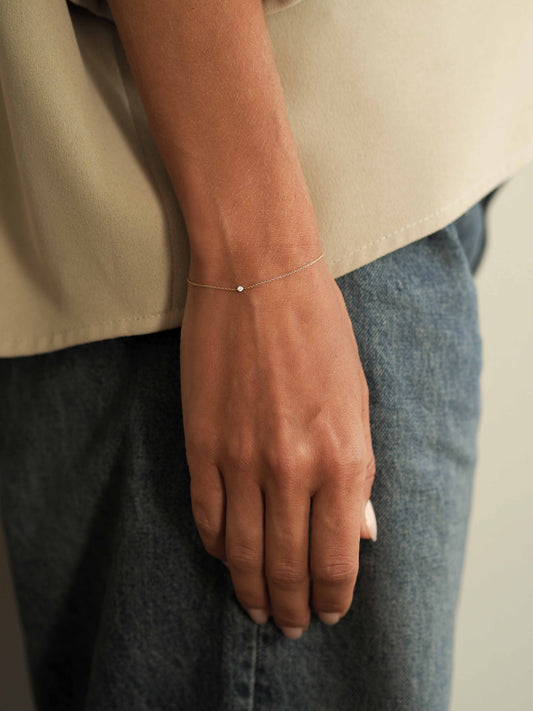
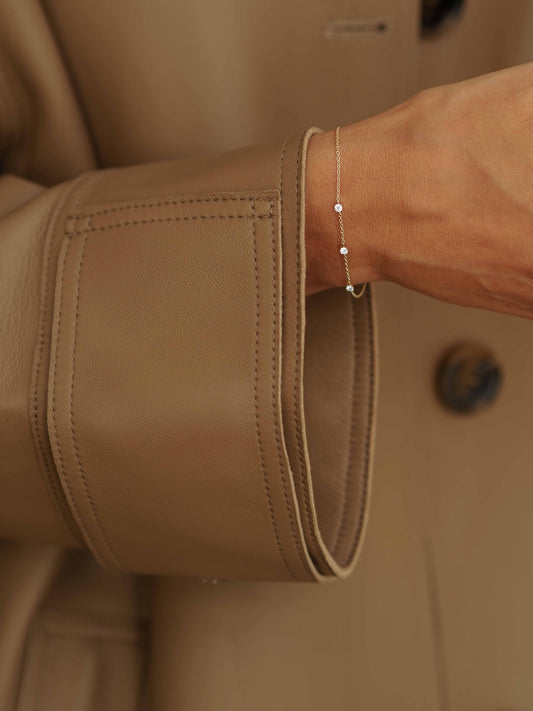
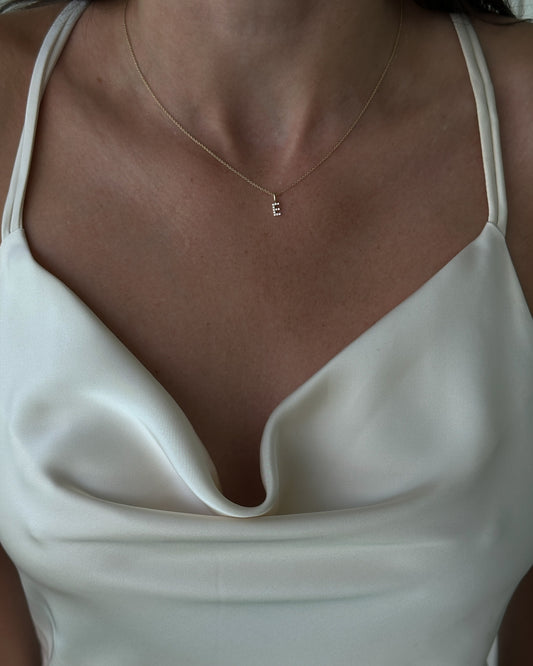
The idea comes from the broader phenomenon of permanent jewellery, where bracelets, anklets and necklaces are welded around the wrist, ankle or neck without a clasp. The ring is the smallest version of the same principle: a piece of jewellery you don't take off every evening, but wear continuously as a fixed part of your hand.
The interest typically comes from someone who wants a discreet piece of jewellery without a clasp to fumble with, and who likes the idea of a ring that simply stays on. It is also a choice for couples or friends who have a matching piece of jewellery welded on the same day as a shared memory.
How a permanent ring is welded
A permanent ring is usually made on the spot at a jeweller's or at an event, where a professional has the right equipment. First the finger is measured, and a thin ring or chain is adjusted in length so it fits snugly without being tight. Then the two ends are held against each other, and a small welding device melts them together with a short, precise application of heat.
The welding itself takes a few seconds. There is a small metal plate between the ring and the skin, so the heat does not reach the finger, and most people feel no more than a faint click. Afterwards the join is smooth, and it is hard to see where the ring was closed.
Because the ring has no clasp, there is no hinge or join that can come open on its own. That is the whole point: the ring stays on until you choose to remove it.
The difference between a permanent ring and a regular ring
A regular ring is a closed circle you slide on and off over the knuckle. It has to be roomy enough to get past the knuckle, but tight enough to stay on - a balance described in more detail in the section on how tightly a ring should fit. A permanent ring skips that balance, because it is closed around the finger after it has been put on.
This gives a different fit. Where a regular ring has to be able to pass the knuckle, a permanent ring can sit right at the base of the finger, because it never has to go in or out over the knuckle. On the other hand, it cannot simply be taken off if the finger swells, or if you need to wear a different ring for the occasion.
A permanent ring is also typically thinner and simpler than a classic ring with a stone. It works as a fine, almost invisible line around the finger rather than a striking eye-catcher.
How tightly should a permanent ring fit?
A permanent ring should fit snugly, but not tightly. Because it does not have to get past the knuckle, it can sit closer than a regular ring, but there still needs to be room for the finger to change slightly in size over the course of the day and in the heat.
If the ring fits too loosely, it slides around freely and can get stuck around the knuckle. If it fits too tightly, it can be uncomfortable when the finger swells in summer or after a long day. A good fit feels like a light, constant contact all the way round without pinching.
If a permanent ring becomes too tight, it cannot simply be twisted off like a regular ring. It is cut open with a small pair of pliers and can then be welded on again at a looser length.
What materials are used for a permanent ring?
Because the ring is worn continuously and is in constant contact with the skin, the metal matters a great deal. Gold and white gold are obvious choices, because they keep their colour and surface over time and withstand daily use. Longvé's rings come in both 14K gold and 14K white gold, and the same metals are well suited to a ring that never comes off. For a more understated look, sterling silver is also used in parts of the range.
A thin, smooth ring is the most practical shape for permanent use, precisely because it does not catch on clothes or hair. If, on the other hand, you want a piece of jewellery with a bit more sparkle, a setting with small diamonds can bring the ring to life without making it overwhelming. Among Longvé's eternity rings there are rings with small diamonds all the way around the band, giving a fine, continuous shimmer on a slim ring.
Alternatives to a permanent ring
A permanent ring is not for everyone, and it is not the only answer if you want a ring that feels fixed and personal. A classic ring that you can take on and off yourself gives more freedom to switch between pieces of jewellery and to let the finger rest.
For someone looking for a single stone as an eye-catcher, a solitaire rings is an obvious place to start. It focuses the look on one centre stone in a clean setting and works both on its own and together with other rings. If you want several slim rings that can be worn in layers, a continuous model such as a round pavé ring with many small diamonds set closely into the surface is a good starting point.
If you are in doubt, it is worth taking a broad look at the entire selection of rings before deciding whether the ring should be welded on or be removable. A regular ring can always be replaced, adjusted or put away - a permanent ring is meant to stay on until you choose otherwise.