What are the names of the different wedding anniversaries?
-

-
The Danish wedding anniversaries each have their own name, and the name usually tells you how many years of marriage are being celebrated. Some of the most well-known are the silver wedding after 25 years, the golden wedding after 50 years and the diamond wedding after 60 years. But there are names for many more milestones than the three big ones - and in Denmark we even have a very special halfway day that few other countries celebrate.
Below we go through the wedding anniversaries that have an established Danish name, how many years each day marks, and why the materials in the names increase in "hardness" the longer the marriage lasts.
Which wedding anniversaries have an established name in Denmark?
The Danish names follow a consistent principle: the more years, the more durable the material. The first years are tied to soft and everyday materials such as paper and cotton, while the later anniversaries are named after metals and stones that can last for generations.
The most common Danish wedding anniversaries are:
- 1 year - paper wedding
- 2 years - cotton wedding
- 5 years - wooden wedding
- 7 years - copper wedding
- 10 years - tin wedding
- 12½ years - copper wedding (in some regions) or plate wedding
- 15 years - crystal wedding
- 20 years - porcelain wedding
- 25 years - silver wedding
- 30 years - pearl wedding
- 40 years - ruby wedding
- 50 years - golden wedding
- 60 years - diamond wedding
- 65 years - crown diamond wedding
- 70 years - platinum wedding
The names vary slightly from source to source, and a few years have several names depending on tradition and region. The major milestones - silver, gold and diamond - are, however, the same everywhere and are most often marked with both a family celebration and gifts.
The early years: from paper wedding to tin wedding
The first year's anniversary is called the paper wedding. Paper is fragile, and the name plays on the fact that a marriage in its first year is still young. The second year is called the cotton wedding, where a slightly stronger, but still soft, material comes into play.
The fifth anniversary is the wooden wedding. Wood is the first truly durable material in the sequence and marks that the relationship has taken root. After seven years comes the copper wedding, and after ten years the tin wedding - two metals that are both easy to shape, but more resistant than the earlier materials.
What the early years have in common is that they are rarely celebrated as grandly as the later anniversaries. Many mark them on a small scale, while the larger round milestones get a proper celebration.
What is the 12½-year anniversary - the Danish halfway day?
One of the most distinctly Danish traditions is the 12½-year anniversary. It is celebrated because 12½ years is exactly halfway to the silver wedding after 25 years.
The day is often called the plate wedding or the copper wedding depending on the region, and in several places in the country it is marked with the same festivity as the larger anniversaries. The halfway day is far less common outside Denmark and Norway, and it is therefore a good example of how wedding anniversary traditions have local roots.
Silver wedding, golden wedding and diamond wedding: the major anniversaries
After 25 years the silver wedding is celebrated. Silver is the first precious metal in the sequence, and from this point on the materials in the names become noticeably more valuable and durable. For many, the silver wedding is the first truly major milestone, with a speech, gifts and the whole family gathered.
The golden wedding marks 50 years of marriage. Gold is one of the most durable and sought-after metals, and half a century together is considered one of the most distinguished anniversaries of all. Longvé's rings are made precisely in 14k yellow gold and 14k white gold, so the gold in the name can also be reflected in the gift itself.
The diamond wedding is celebrated after 60 years. Here the name reaches the hardest natural material we know: the diamond sits at the top of the Mohs scale with a hardness of 10, which makes it a fitting image of a marriage that has lasted more than half a century.
Why do the materials become harder over the years?
The logic behind the names is that the durability of the material should reflect the durability of the marriage. Paper can be torn apart, wood can last for decades, and a diamond is practically indestructible in everyday use.
This is precisely why the diamond appears at the very longest anniversaries. A diamond - whether natural or lab-grown - has the same chemical composition and the same hardness of 10 on the Mohs scale, and the two types cannot be distinguished from one another with the naked eye. Longvé carries both lab-grown diamonds and natural diamonds, often in the same design, so the same piece of jewellery is available in both variants. If you want to dive into the difference, you can explore both lab-grown diamonds and natural diamonds separately.
Which pieces of jewellery suit the wedding anniversaries with stone and metal?
Several of the major wedding anniversaries lend themselves directly to a piece of jewellery, because the name already points to a material. For the silver wedding there are pieces in sterling silver, while the golden and diamond weddings are naturally celebrated with gold and diamonds.
A classic gift for the stone-related anniversaries is an eternity ring with small diamonds all the way around the band - a form often associated with a long marriage. Among Longvé's eternity rings you will find, for example, a medium eternity ring with diamonds around the entire band.
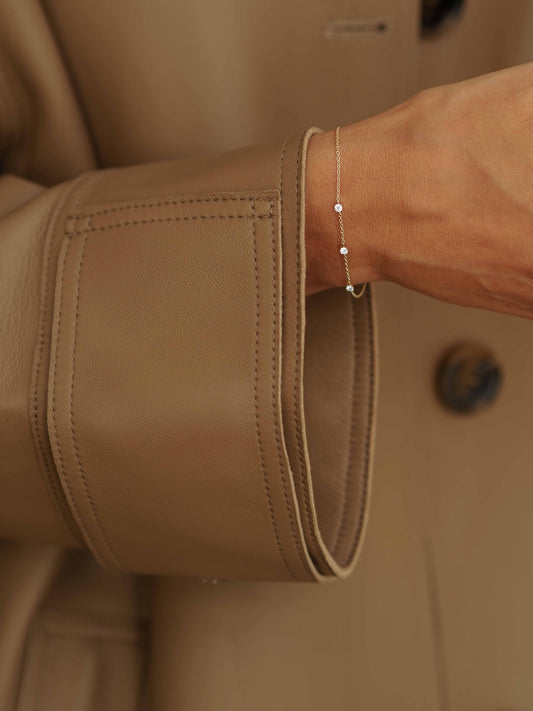
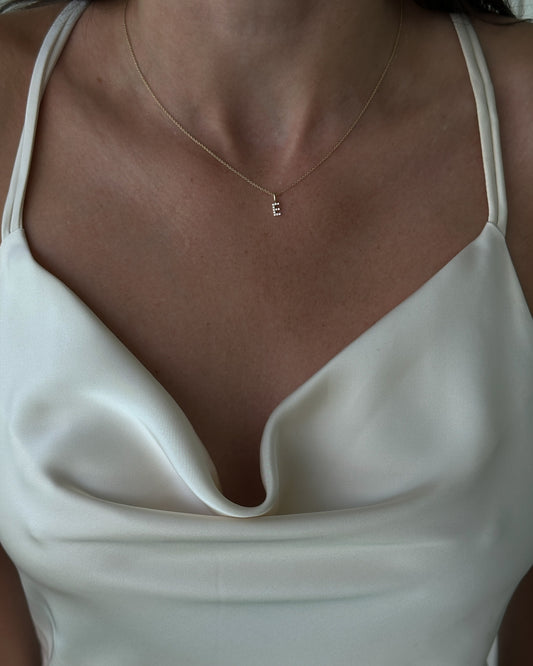
If you want a simple piece with a single centre stone, a solitaire ring is an obvious choice. It is available among Longvé's solitaire rings in several cuts, including as a round solitaire ring. For a discreet alternative, a pendant with a single diamond can also mark the day, and here the chain is sold separately so it can be added on.
No matter which year is being celebrated, the name of the wedding anniversary can give an easy clue as to which material the gift can be based on.