How do you polish gold?
-

-
Gold is most easily cleaned at home with lukewarm water, a little mild dish soap and a soft cloth. Soak the piece of jewellery for a few minutes, brush gently afterwards with a soft toothbrush, rinse in clean water and dry it with a lint-free cloth. This removes skin oils, soap residue and cream, which are the typical reason gold loses its shine. Real gold does not tarnish like silver, so in most cases it is not about polishing the metal, but about getting it clean.
Polishing in the true sense - that is, restoring the surface's shine with a polishing cloth - is only necessary when the gold has developed small, matte marks from use. Here is the order: first cleaning, then a light polish with a gold polishing cloth if the piece still looks matte.
Mild soap and lukewarm water as a fixed routine
Fill a bowl with lukewarm water and add a few drops of mild dish soap without abrasives or citrus additives. Place the gold jewellery in it and let it sit for five to ten minutes, so that dirt and grease loosen. Use lukewarm, never boiling water - intense heat is unnecessary and can be hard on delicate settings.
Then take the piece out and gently work over crevices and settings with a very soft toothbrush. It is typically the back of a stone, the underside of a ring and areas close to the skin that gather the most. Rinse thoroughly in clean, lukewarm water afterwards, so that no soap residue is left behind, and consider placing a strainer or a cloth in the sink, so the jewellery does not disappear down the drain.
How to dry gold without leaving streaks
Dry the piece right away, while it is still damp. A microfibre cloth or another lint-free, soft cloth absorbs the water without scratching and without leaving lint or limescale streaks, which an ordinary tea towel can do.
Let the gold air dry completely before you put it away, especially if there is a chain or a clasp with small cavities. Moisture sealed inside a box gives no good result.
When a gold polishing cloth makes a difference
If the gold still looks matte after cleaning, a gold polishing cloth can bring the shine back. It is a soft cloth, often with a thin layer of polishing agent in the fabric itself, which removes a microscopic layer and polishes the surface. Glide the cloth lightly over the shiny surfaces with calm strokes, and avoid rubbing hard or back and forth on the same spot.
A gold polishing cloth is made for smooth, polished surfaces. If the piece has a matte or brushed surface, the polishing cloth changes the look, because it makes the surface shiny - so pay attention to what kind of finish the jewellery has before you begin.
Never use toothpaste, baking soda, metal polish intended for cutlery or other abrasive agents on gold. They contain grains that scratch the soft surface, and scratches are hard to remove again.
Be careful with settings when there are diamonds in them
Many gold pieces have stones, and then the cleaning applies to both metal and stone. Lukewarm soapy water and a soft brush is the right method here too, because grease and cream settle under the stone and dampen the sparkle you actually bought the piece for. Gently brush behind the stone, where dirt gathers.
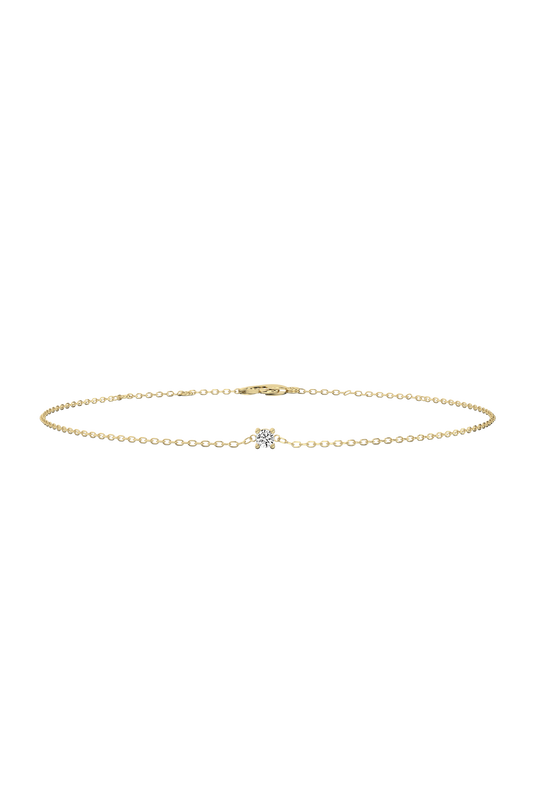
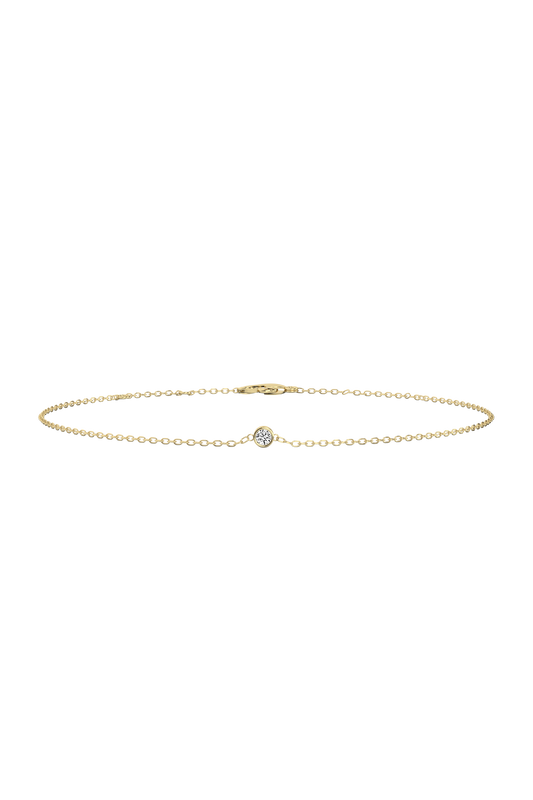
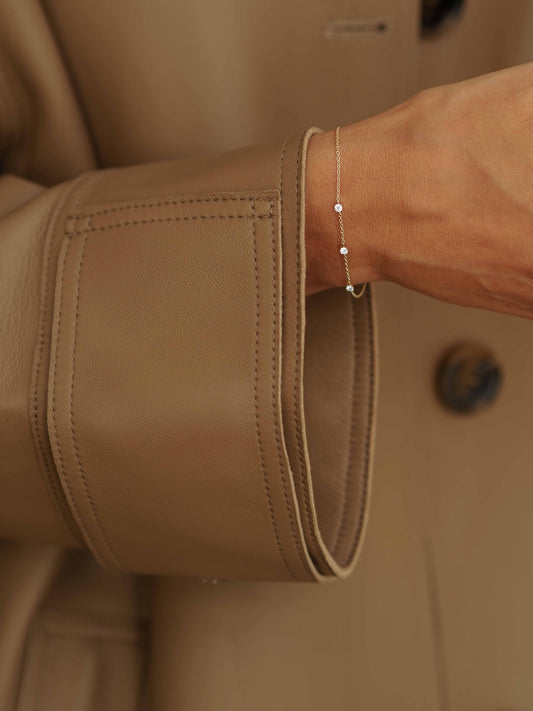
Diamonds are the hardest material that exists and can withstand ordinary handling, but the setting itself is more delicate. Do not tug at prong settings with the brush, and avoid pulling the cloth into the prongs, so they do not bend. A medium bezel ring, where the stone sits in a closed rim of metal, is easier to clean and scratches less easily than a ring with free-standing prongs. The same gentle principle applies to a tennis bracelet with many settings in a row and to a bezel pendant, where the stone sits close against the chain. The choice between lab-grown and natural diamonds changes nothing about the cleaning - both are equally hard and tolerate the same treatment.
White gold requires a little extra attention
14K white gold is gold mixed with white metals and most often has a thin layer of rhodium on the outside, which gives the cool, shiny white colour. The rhodium layer wears off slowly over the years, and it cannot be polished back - that is a re-treatment at a jeweller, not a home task.
The cleaning is the same as for 14K gold: lukewarm soapy water and a soft cloth. But do not polish white gold hard with a polishing cloth, as you can thereby wear down the thin outer layer. If you want to read more about the metal, there is a review of what white gold is. Gold jewellery in general can be seen collected under gold and in the white variant under white gold.
How to keep gold clean between cleanings
The best polishing is the one you avoid. Take off rings and bracelets before you use hand soap, hand cream, perfume and cleaning products, because it is the daily products that lay a thin veil of grease and leave the gold matte. Also take off jewellery before exercise, bathing and swimming, as sweat and chlorinated water benefit neither metal nor setting.
Store the jewellery dry and separately, so that chains do not tangle together, and so that harder stones do not scratch softer surfaces. A dry cloth over the piece after each use removes skin oils before they get a chance to build up, and delays the need for a proper cleaning. A broader review of the method can be found in the article on how to clean jewellery.