The simplest way to clean gold is with lukewarm water and a few drops of mild dish soap. Soak the piece of jewellery for a few minutes, brush it gently with a soft brush, rinse it in clean water and pat it dry with a soft cloth. You need neither special products nor professional equipment to make most of it look nice again, and the method is the same whether it is a ring, a necklace or a pair of earrings.
Dirt on gold is rarely the gold itself that has changed. Pure 24 carat gold does not tarnish, but jewellery gold is an alloy in which the gold is mixed with other metals to make it hard enough for everyday use. What settles as a dull or greyish film is typically skin oils, soap residue, cream and dust that gather on the surface and along edges and settings. That is why cleaning is mostly about loosening and rinsing away the dirt, not about polishing the metal hard.
How to clean gold step by step
Mix a bowl of lukewarm water with a few drops of mild dish soap. The water should be lukewarm, not hot, so that it feels pleasant to keep your fingers in. Place the piece of jewellery in it and let it soak for about ten minutes, so the stuck-on dirt softens.
Then take the piece of jewellery out and brush it gently with a soft brush. A clean, soft toothbrush is well suited, and you especially reach the places where dirt gathers: the back of a setting, between the links of a chain and along the edges of a ring. Press lightly, so you loosen the film without scratching the metal.
Rinse the piece of jewellery thoroughly in clean, lukewarm water, so all the soap residue comes off. If you have washed it over a sink, place a strainer or a cloth in the bottom, so a loose piece of jewellery does not disappear down the drain. Finally, pat the piece of jewellery dry with a soft, lint-free cloth, and optionally let it air dry for a moment before you put it away.
Tools you can make do with
You need no more than a bowl, lukewarm water, mild dish soap, a soft brush and a soft cloth. A microfibre cloth or a proper polishing cloth for jewellery also removes a little of the dullness that can settle on the surface.
Avoid using kitchen roll and paper napkins to dry with. Paper feels soft, but contains fibres that can leave fine scratches in the soft gold surface. A textile cloth is always a better choice.
What you should stay away from
Abrasive products are the fastest route to scratches in gold. Toothpaste, scouring powder, steel wool and hard brushes grind a little off the surface each time and over time make the gold dull instead of shiny. The same applies to the widespread advice to use toothpaste on jewellery, which should be avoided precisely because it works by grinding.
Strong chemicals also have no place in jewellery cleaning. Chlorine, bleach and cleaning products containing ammonia can attack the alloy and the other metals in the gold. So take off rings and bracelets before you clean, bathe in a chlorine pool or work with chemicals.
If the piece of jewellery is plated with gold rather than solid, you need to be extra gentle. A thin layer of gold on top of another metal can be worn through if you brush hard or use abrasive products, so here mild soap, lukewarm water and light wiping do most of the work. The same careful method can be used when you
clean jewellery made of other materials.
Do you clean gold with diamonds the same way?
Gold jewellery with diamonds can, as a starting point, be cleaned with the same method: lukewarm water, mild soap and a soft brush. Diamonds attract skin oils, and a thin film of grease on the stone is exactly what makes it look dull. Here a soft brush is useful, because you get underneath and around the setting, where the grease gathers.
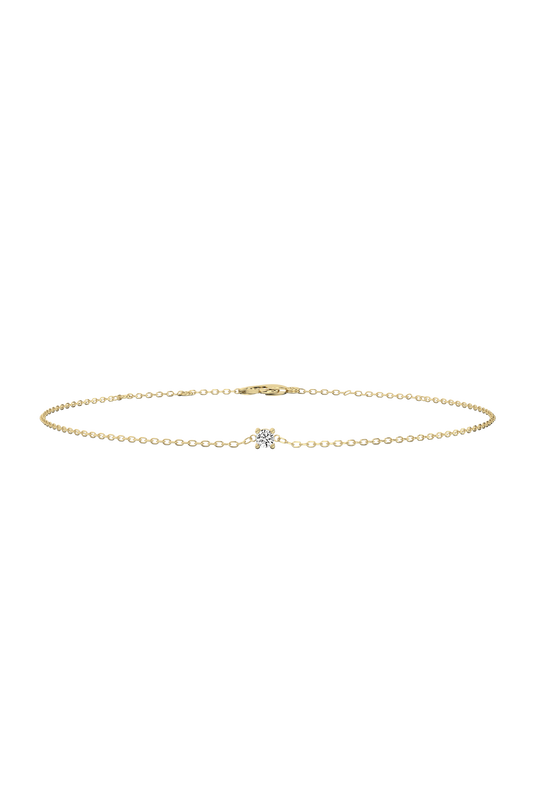
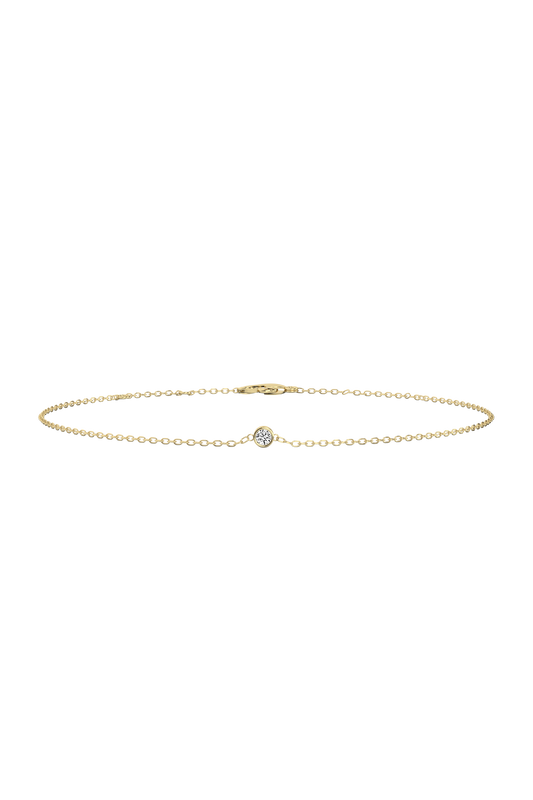
Pay attention to the setting while you brush. A prong setting holds the stone with small prongs, and a loose stone can be felt by it wobbling slightly. If you notice this, stop brushing and have the piece of jewellery checked, instead of risking making it worse. A bezel setting, where the metal surrounds the stone all the way around, keeps the diamond more protected and tolerates ordinary cleaning well.
This applies to both lab-grown and natural diamonds. A lab-grown diamond has the same hardness and the same physical properties as a natural diamond, so it must be cared for in exactly the same way. You can see the selection of
lab-grown diamonds and of
diamonds at Longvé if you want to see how stone and setting work together in the individual designs.
How do you clean gold-plated jewellery?
Gold-plated jewellery requires the gentlest treatment. The plating is a thin layer of gold on top of another metal, and that layer can be worn thin or all the way through if you rub and brush hard. That is why you should stay away from both abrasive products and strong brushes.
Instead, wipe the piece of jewellery with a soft cloth moistened in lukewarm water with a single drop of mild soap, and avoid soaking it for a longer time. Rinse gently afterwards, and pat it dry straight away, so no water is left on the surface. The less friction, the longer the plating keeps its colour.
How often should gold be cleaned?
Jewellery you wear daily, such as an engagement ring or a ring you always have on, benefits from a light cleaning every week or every other week. It keeps skin oils and cream from gathering, so the piece of jewellery never has the chance to look really dull.
Jewellery that mostly lies in the box and only comes out on special occasions needs treatment less often. A quick cleaning before you put it on is usually enough. Store it separately, so chains and rings do not scratch each other, then there will also be less to clean away when they are to be used.
A good habit is to take off rings and bracelets before you use hand cream, perfume, cleaning products or soap in larger amounts. These are precisely the things that settle on the surface and along the settings, and the less that gathers, the less often the gold needs a thorough treatment.