How do you clean a necklace?
-

-
A necklace worn every day collects oil from the skin, soap residue, cream and perfume in the small gaps between the links. Over time this builds up as a film that dulls both the metal and any diamond. Most of it can be removed at home with lukewarm water, mild soap and a little patience, without any special equipment. The method does depend, however, on which metal the chain is made of, and whether it has stones in it. Here is the procedure for the most common necklaces and what to stay away from along the way.
How to clean a necklace step by step
The simplest and gentlest method for a necklace in gold, white gold or silver is a bath in lukewarm soapy water. It works on most necklaces and only requires things you already have. Follow the steps in order.
- Mix a small bowl of lukewarm water with a few drops of mild dish soap without abrasives.
- Place the chain in it and let it soak for about ten to fifteen minutes, so the dirt loosens.
- Gently brush over the links and clasp with a soft toothbrush, so you reach into the gaps where oil collects.
- Rinse the chain thoroughly in clean, lukewarm water, so all soap residue disappears.
- Pat it dry with a soft, lint-free cloth and let it air dry completely before putting it away.
Hold on to the clasp when you brush, so you don't pull hard on the thin links. A chain like a slim venezia necklace has fine links that can handle soft brushing, but not jerks or pulls.
Good to know
Always close the drain or place a strainer in the sink before cleaning a necklace at the basin. A small clasp or a broken-off link is easy to lose down the drain.How to clean a necklace in gold and white gold
Gold does not tarnish, so a necklace in 14K gold rarely darkens on its own. What dulls the shine is oil and dirt that settle as a film on the surface. Lukewarm soapy water and a soft toothbrush remove it without any problem, and the method above covers the entire need for a chain without stones.
White gold differs in having a thin layer of rhodium on the outside, which gives it the cool, white shine. That layer is sensitive to wear, so a necklace in 14K white gold should be cleaned with a light hand. Use only the soft brush and mild soap, never toothpaste, polishing cream or a polishing cloth with abrasives, as they grind on the surface. Many chains in white gold keep their shine longest when they are cared for gently and wiped off after use.
How to clean a silver chain that has gone dark
Silver behaves differently than gold, because it reacts with sulphur in the air and slowly goes dark. This is called tarnishing and is a thin, dark layer on the surface, not dirt. That is why ordinary soapy water does not remove it completely. Start nonetheless with the soapy water bath to get oil and dirt away, and then wipe the chain with a polishing cloth for silver, which is designed to take off the dark layer.
On a smooth chain without stones you can polish the links one by one with the polishing cloth. If the links sit close together, as on a slim panzer chain, you reach them best with the corner of the cloth between the links. Afterwards, store the silver chain in a closed bag or box, so it does not tarnish again as quickly.
How to clean a necklace with a diamond
A necklace with a diamond or pendant requires a little more attention, because oil and dirt collect under and around the stone, where it is hard to see. It is precisely the oil that dulls the diamond's shine more than anything else, for a diamond attracts oil. The soapy water bath is still the right method, but here the soft brush under the stone itself is the most important step.
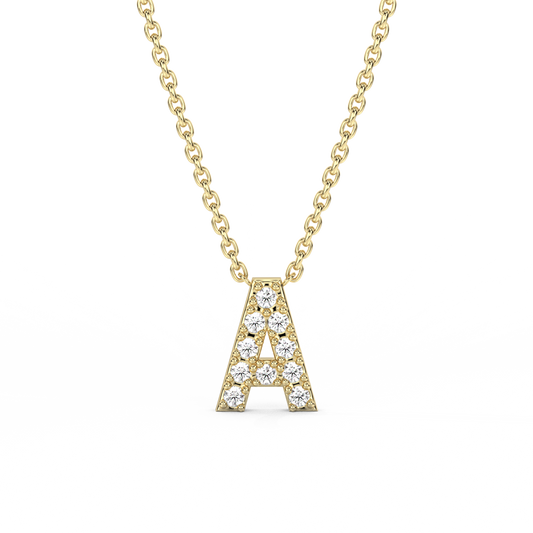
Gently brush in under the diamond and around the setting, so you catch the oil film. Both lab-grown and natural diamonds can handle lukewarm water and mild soap without any problem, and a diamond is the hardest material that exists, so the stone itself takes no damage. Instead, be careful with the setting that holds the stone. On a bezel diamond necklace the stone sits in a closed rim, while a prong curve diamond necklace holds the diamond with small prongs, where you should brush gently, so the prongs are not bent. Rinse thoroughly afterwards, so no soap leaves a dull film on the stone.
How to clean gold-plated and thinner jewellery
Gold-plated jewellery has a thin layer of gold on the outside over another metal, and that layer wears off more easily than solid metal. That is why the same caution rules apply as for white gold, just intensified. Use lukewarm water and a single drop of mild soap, and let your fingers or a very soft cloth do the work rather than a brush. The less you rub, the longer the gold-plated layer lasts.
Skip chemicals, polishing cream and abrasive cloths entirely on gold-plated chains. They remove not only dirt, but also the gold layer itself. Rinse lightly, pat dry and let the chain dry completely before putting it away.
How often should a necklace be cleaned?
How often a necklace needs it depends on how much it is worn. A chain you have on every day collects oil and cream faster than one that mostly stays in the box. As a guideline, a light cleaning every two to four weeks is enough for a daily chain, while a dry wipe with a soft cloth after use keeps the shine in between.
The best habit is to take the necklace off before you shower, exercise, sleep or spray perfume. Soap, sweat and perfume are exactly what settles as a film, so the less the chain is exposed to it, the less often it needs cleaning. The same principles apply to the rest of your jewellery. You can read more about the procedure in the article how do you clean jewellery, and about small chains and earrings specifically in how do you clean earrings.
What to avoid when cleaning a necklace
Most damage to a necklace does not come from dirt, but from incorrect cleaning. Some home remedies and products wear it down more than they help, and should be kept away from both metal and stones.
- Toothpaste and scouring cream contain abrasives that make fine scratches in gold, white gold and silver.
- Strong chemicals such as chlorine, bleach and acetone can attack the metal and loosen settings.
- Boiling or very hot water is unnecessary and can strain fine links and glue in certain settings.
- Hard brushes and kitchen scourers scratch the surface, so always use a soft toothbrush.
- Putting the chain away while it is still damp, so rinse and pat it completely dry first.
If you stick to lukewarm water, mild soap and a soft brush, you can clean almost any necklace at home without risk. If a stone is loose in its setting, or a clasp is stuck, it is a sign that the chain should be checked by a professional rather than being forced into place.