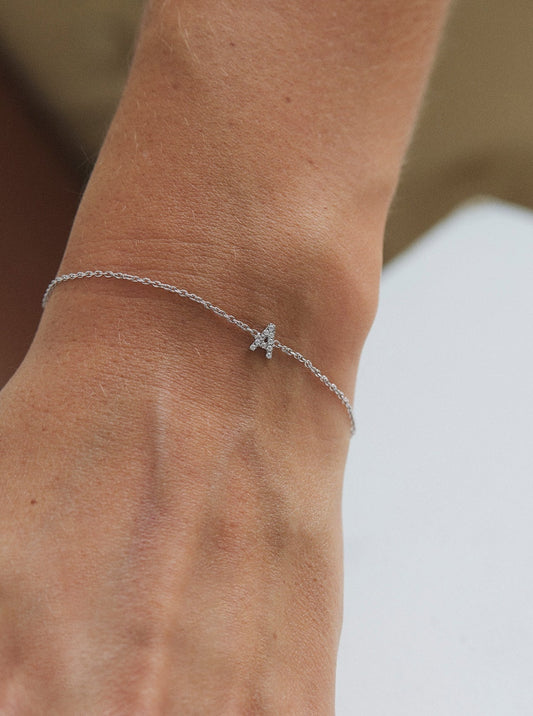
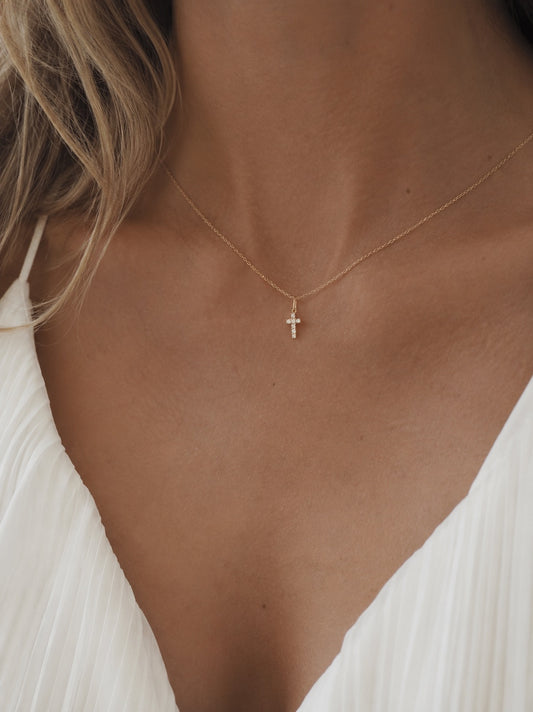
What is rose gold?
-

-
Rose gold gets its characteristic pink tone from copper. Pure gold is too soft for jewellery, so it is always mixed with other metals, and it is precisely the ratio between gold, copper and silver that determines whether the colour ends up yellow, white or rose. Rose gold has had periods of great popularity and regularly reappears in rings, necklaces and earrings. This article explains what rose gold is, how the colour arises, what the carat number means, and how rose gold differs from both ordinary gold and white gold.
How the pink colour arises in gold
Rose gold is an alloy of pure gold and copper, where the copper is responsible for the warm, reddish tone. Pure gold, also known as 24 carat gold, is yellow and so soft that it bends and scratches too easily for everyday jewellery. That is why other metals are added, and the amount and type determine both the hardness and the colour. In rose gold, copper is the main addition, and the more copper, the stronger and more reddish the colour becomes. A smaller amount of silver is often mixed in to tone it down, so the result is a softer rose rather than a distinctly red shade.
The ratio between the metals is the reason why rose gold can look different from piece to piece. An alloy with a lot of copper leans towards copper-red, while an alloy with more silver in the mix keeps the colour lighter and more subdued. Terms such as red gold and champagne gold cover variants of the same principle, where only the balance between the metals is adjusted.
What does the carat number mean in rose gold?
The carat number tells you how large a proportion of the alloy is pure gold, and it works the same way for rose gold as for gold. 24 carat is pure gold, while 14 carat means that 14 out of 24 parts are gold, corresponding to around 58 percent. In the case of rose gold, the remaining parts are mainly copper and some silver. A higher carat number gives more gold content and thus a more yellowish base tone, while a lower carat number leaves room for more copper and a more distinct rose colour.
14 carat gold is a common choice for jewellery because it strikes a good balance between gold content and durability. The copper in rose gold also helps make the alloy relatively hard and resistant to the small scratches that everyday life brings. If you want to read more about what the number covers, the article what does 14 carat gold mean elaborates on the subject.
The difference between gold, white gold and rose gold
All three gold colours start with the same pure gold and differ only in which metals are mixed in. Gold is typically alloyed with both silver and copper in a balance that preserves gold's natural yellow tone. White gold is alloyed with white metals such as palladium, and the surface is often rhodium-plated so that it appears cool and silvery. Rose gold differs by its high proportion of copper, which draws the colour towards rose.
The difference is about appearance rather than the value of the gold, since the gold content at the same carat number is identical. Gold gives a classic and warm impression, white gold a cool and discreet one, and rose gold a softer, romantic tone that lies in between. Because the pink colour has a warm undertone, it suits many skin tones and especially fits well with warm skin shades. If you want to look more closely at the difference between the two most common gold colours, the article what is the difference between gold and white gold covers it thoroughly.
Is white gold more expensive than rose gold?
The price of gold is determined first and foremost by the gold content, that is the carat number, and not by the colour. At the same carat number, rose gold, gold and white gold all contain the same amount of pure gold, and the gold value itself is therefore the same. The added metals and the extra processing can create minor price differences, but they weigh little compared to the gold proportion. The question of price between the colours is addressed in more detail in is white gold more expensive than gold
How to care for rose gold in everyday life
Rose gold requires the same simple care as other gold jewellery and keeps its colour with a little attention. Over a long time the copper in the alloy can cause a very slight darkening of the surface, but this is easily removed with ordinary cleaning. Lukewarm water with a drop of mild soap and a soft cloth is enough for most jewellery, and a soft brush can reach into settings and details. Dry the piece completely afterwards so that no water is left on the surface.
You extend the shine by taking rose gold jewellery off before you use hand sanitiser, perfume, cleaning agents or take a shower, as chemicals and chlorinated water wear on the surface. Store the jewellery separately so the pieces do not scratch each other. A more thorough review of cleaning can be found in how to clean gold, and on storage in how should I store my jewellery
Good to know
Take rose gold jewellery off before you do sports, clean or bathe, so the copper alloy is not exposed to sweat and chemicals more than necessary.When rose gold fits best
Rose gold is most often chosen for its warm, soft colour that stands out from both the classic yellow and the cool white. The tone works well for jewellery meant to be worn close to the skin, because it matches many skin colours and gives a romantic appearance. Longvé works primarily in 14K gold and 14K white gold, so if you want a particular colour for a design, it is worth seeing which variants are available. In the collection rings you can see how the colour interacts with different settings, and among necklaces and earrings you will find the same gold colours in other types of jewellery.