What is jewellery made of?
-

-
When you look down at the ring on your hand or the necklace around your neck, it is not always easy to tell what it actually consists of. A piece of jewellery can be pure gold, silver with a thin layer of gold on top, or an alloy in which several metals are mixed together. And if there is a stone set in it, it can be anything from a natural diamond to a coloured gemstone. This article goes through the materials jewellery is most often made of, what the differences mean in everyday life, and how to read the hallmarks that reveal the contents.
Gold, silver and diamonds are the key materials in most jewellery
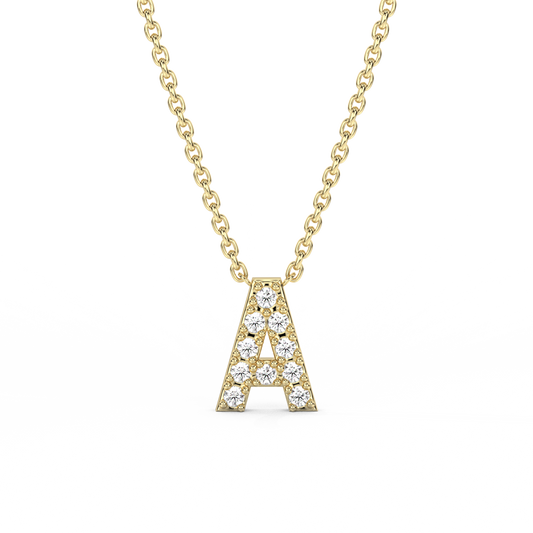
Most finer pieces of jewellery are built around a precious metal and possibly a stone. Gold is the most widespread metal, either in its yellow form or as white gold, and sterling silver is a cheaper alternative with a cooler colour. Then there are the stones, where the diamond is the hardest and most well known, but where coloured gemstones such as sapphire are also used. A piece of jewellery can be made of one of these materials alone or combine several, for example a ring in 14K gold with a diamond set at the top.
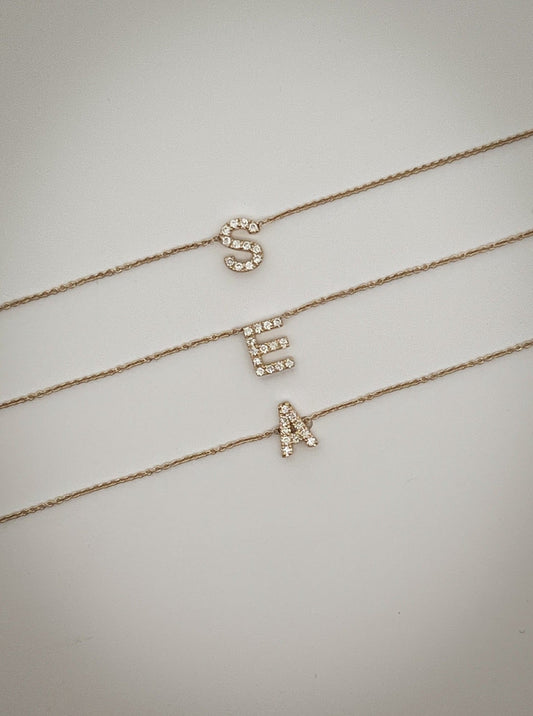
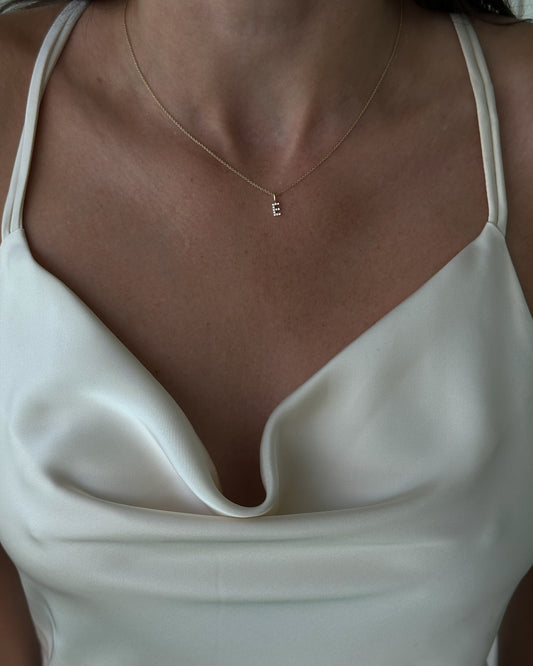
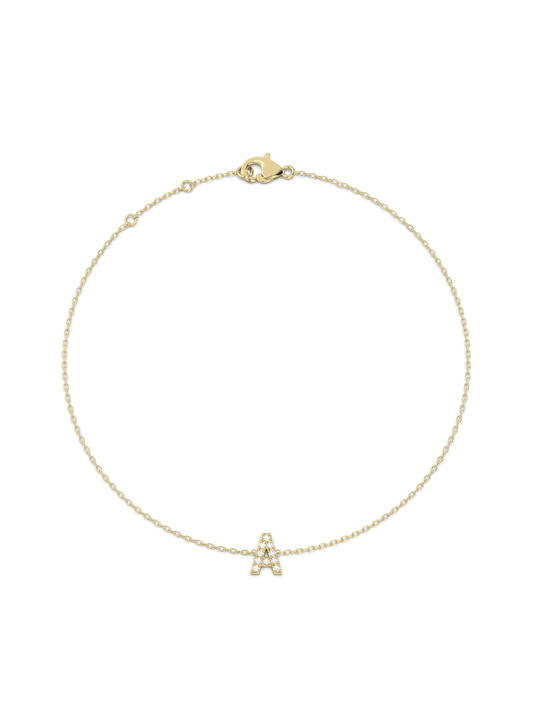
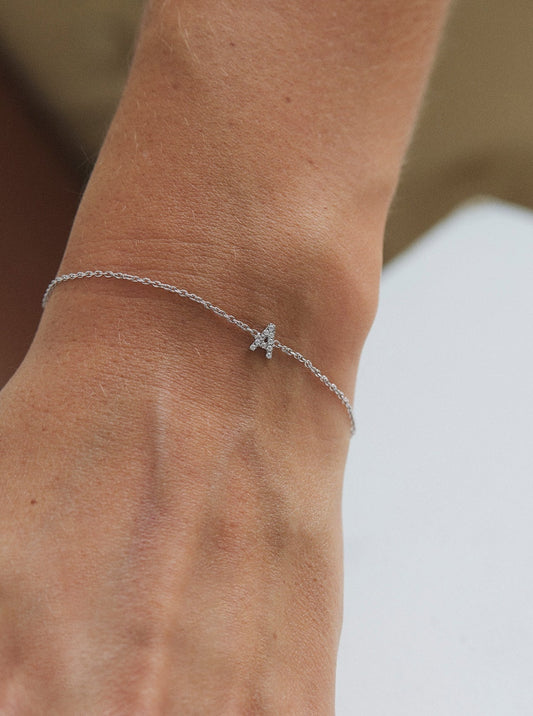
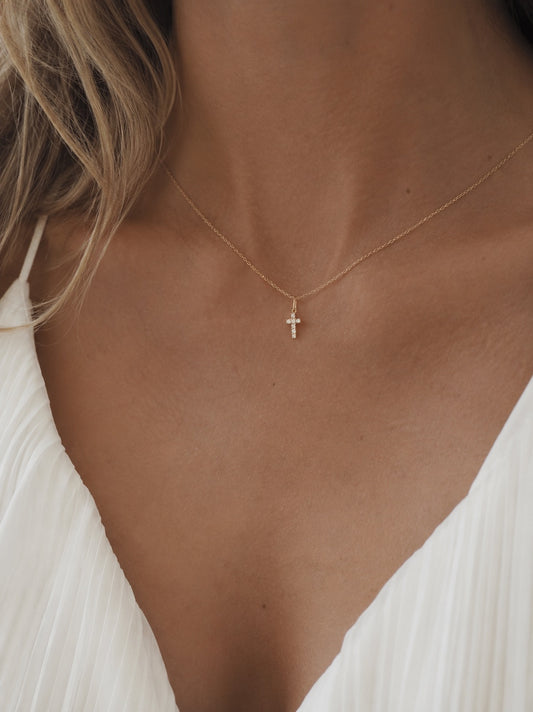
At Longvé, 14K gold and 14K white gold are the key metals, while sterling silver is used for signet rings and a few necklaces and bracelets. The stones are diamonds, both lab-grown and natural, and in selected designs also black agate or pink sapphire. If you want to see the range of materials, the materials collection brings them together in one place.
Pure gold is too soft, so jewellery is made from gold alloys
Pure gold, that is 24 carat, is a very soft metal. It bends and scratches so easily that it is rarely suitable for a piece you wear every day. That is why gold is mixed with other metals such as copper and silver, so it becomes harder and more durable. That mixture is called an alloy, and the amount of pure gold in it is stated in carat.
14 carat gold means that 14 out of 24 parts are pure gold, so a little over half. The rest are the metals that provide strength. This makes 14K gold a good compromise between a warm, durable gold colour and a resilience that withstands daily wear. If you want to read more about what the number covers, the article what does 14 carat gold mean goes into depth with it, and what is the difference between 8 and 14 carat gold compares the two legal Danish finenesses.
White gold is gold mixed with white metals and plated with rhodium
White gold starts out as gold but is alloyed with white metals, so the golden colour is toned down and becomes silver-grey. On top of that, a thin layer of rhodium is typically applied, a silvery-white precious metal in the platinum group, which gives the surface a cool, bright shine and protects the gold. It is this plating people mean when they talk about rhodium-plated white gold.
The rhodium layer wears slowly over time, and now and then a white gold piece can have a new layer applied, so it once again appears completely white. The difference between yellow and white gold is therefore mostly about which metals are mixed in and whether the surface is plated. If you want to dive into it, what is white gold explains the material, and what is the difference between gold and white gold sets the two against each other. Both colours exist in the same designs, so you can see the selection under both gold and white gold.
Vermeil is sterling silver with a thick layer of gold on top
Vermeil is not a metal in itself but a construction. The base body is sterling silver, and on top lies a layer of genuine gold. It differs from ordinary gold plating in that the gold layer is thicker and the core is precious metal rather than a base metal. A vermeil piece therefore looks like gold but mostly consists of silver.
Because the gold layer sits on top, it can wear, and over time the silver beneath can show through in the places where the piece rubs the most. That distinguishes vermeil from a solid gold piece, where the colour is the same all the way through. At Longvé, sterling silver is used for signet rings among other things, where the metal stands on its own without a gold layer.
Sterling silver is silver mixed with copper to become stronger
Pure silver, just like pure gold, is too soft for most jewellery. Sterling silver solves this by mixing the silver with a small amount of copper, so the metal becomes firm enough for daily use. The mixture consists of 92.5 percent pure silver, which is why silver jewellery is often stamped 925.
Silver has a cooler, more greyish tone than gold, and it can darken over time as it reacts with sulphur in the air. It can be polished away again. An oval signet ring or a square signet ring in sterling silver shows the material in its pure form, and a few of the signet rings are available with a set black agate that gives a dark contrast to the bright silver. The meaning of the hallmark is explained further in what does 925 in a ring mean
Diamonds and gemstones are the jewellery's stones
Where the metal forms the frame itself, the stone is often what the eye falls on. The diamond is the most used and the hardest of them all. It sits at 10 on the Mohs scale, which measures the hardness of minerals, and that is why a diamond can withstand being worn daily without scratching. A diamond's weight is stated in carat, where 1 carat equals 0.2 grams.
Not all diamonds come from the earth. A lab-grown diamond is grown in a laboratory under conditions that mimic those deep in the earth's crust, and it has exactly the same chemical and physical properties as a natural diamond. The two cannot be told apart with the naked eye. Longvé carries both, often in the same design, so you can choose between a natural stone from diamonds and a grown one from lab-grown diamonds. In addition to diamonds, coloured gemstones are used, for example a pink sapphire in a few stud earrings. If you want to know more about how the stones come to be, what are diamonds made of and what are lab-grown diamonds explain it in more detail.
The hallmark in a piece of jewellery tells you what it is made of
Most precious metal jewellery carries a small hallmark on the inside, which reveals the material. A number such as 585 means 14 carat gold, because 58.5 percent of the metal is pure gold. 750 stands for 18 carat gold, and 925 for sterling silver. The hallmarks are a quick way to read whether a piece is gold or silver, and how much pure precious metal it contains.
Next to the fineness hallmark there is often a mark showing who made or sold the piece. How to interpret it all is gathered in what do hallmarks in jewellery mean, and how can you tell if it is real gold goes through how to verify that the gold is what the hallmark says.
Good to know
A hallmark with 585 means 14 carat gold, 750 means 18 carat gold, and 925 means sterling silver. If the hallmark is missing entirely, it is worth having the piece checked before you assume the metal is genuine.The material determines how you care for the jewellery
What a piece of jewellery is made of has a direct bearing on how you keep it looking nice. Gold only requires a mild cleaning now and then and does not darken. Silver needs to be polished when it becomes dull, because it reacts with sulphur in the air. A vermeil or gold-plated surface should be treated gently, so the thin gold layer is not worn unnecessarily. Diamonds withstand a lot, but the setting around them still needs to be treated with care.
If you know your jewellery's materials, you also know when and how it should be cared for. Concrete methods can be found in how to clean jewellery and how to clean gold, while why does jewellery turn you green explains what happens when a base metal reacts with the skin.