What is jewellery?
-

-
Most people own at least one piece of jewellery, but fewer stop to consider what the word actually covers. A pair of ear studs, a ring from a grandmother and a necklace bought on a trip all fall under the same concept, even though they look entirely different and are used for entirely different things. This article explains what makes an object a piece of jewellery, which main types exist, which materials they are typically made from, and what jewellery is used for beyond decoration. It provides a foundation whether you are about to buy your first proper piece of jewellery or are simply curious.
A piece of jewellery is a decorative object worn on the body
A piece of jewellery is an object worn on the body for decoration, usually made from metal, gemstone or both. It differs from clothing in that its primary purpose is adornment rather than covering or warming. A ring, a necklace, a pair of earrings and a bracelet are all jewellery, even though they sit in different places and each have their own shape.
The word encompasses both the very simple and the highly crafted. A smooth silver ring without a stone is just as much a piece of jewellery as a diamond-set ring, and the difference lies in material, craftsmanship and detailing, not in the definition itself. Common to them all is that they can be taken on and off, and that they are worn visibly.
The four most common types of jewellery
Jewellery is typically divided according to where on the body it is worn. The four basic types are rings, earrings, necklaces and bracelets, and most pieces of jewellery fall within one of these categories.
A ring is worn on the finger and ranges from smooth bands to rings with a single stone or many small diamonds. The selection of rings spans widely in both expression and level of detail. Earrings sit in the ear and include both small ear studs that lie close against the earlobe and hoops that hang in a curve. Longvé's earrings show the range between the two.
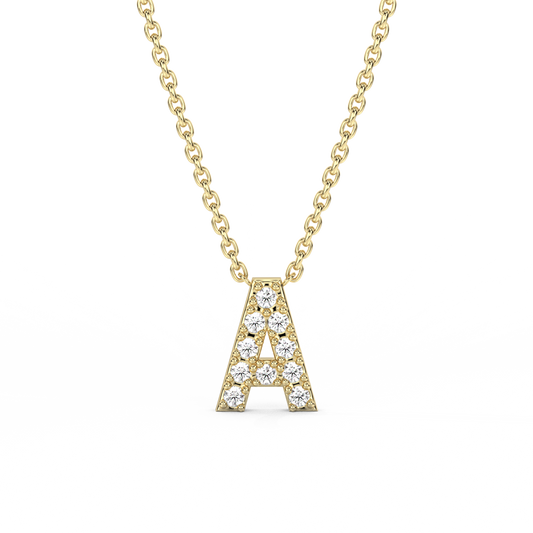
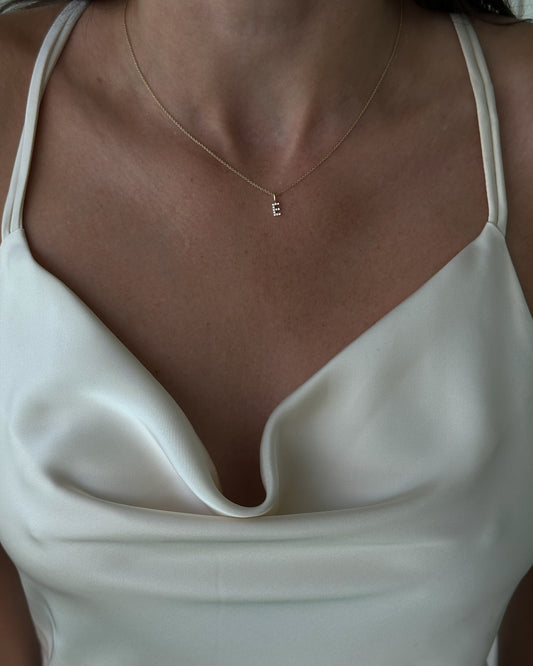
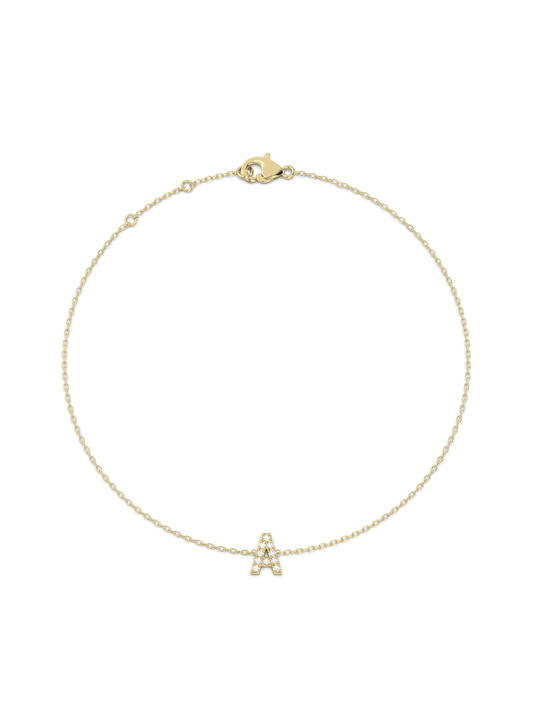
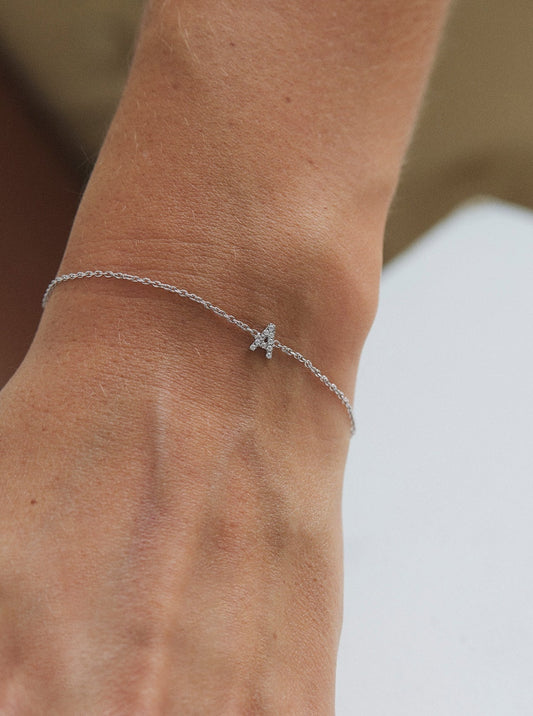
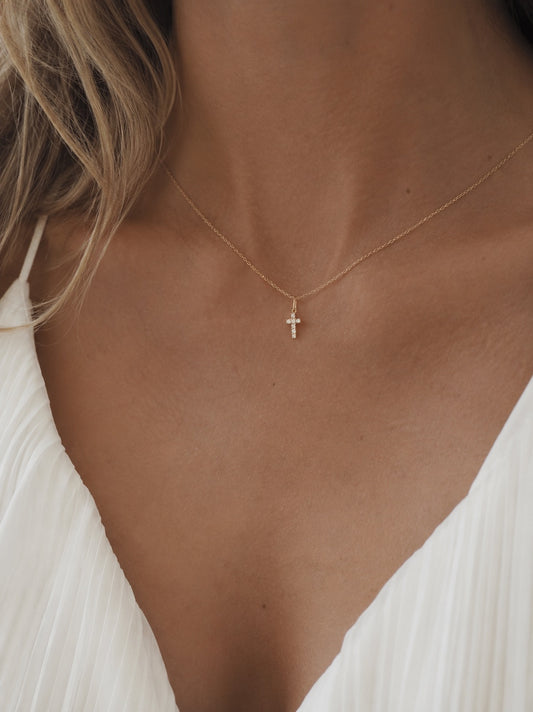
A necklace is worn around the neck and can consist of a plain chain or a chain with a pendant. Most necklaces are available in several lengths, so they can sit close around the neck or fall further down. A pendant is often sold separately without a chain, so it can be attached to a chain you already have, and the selection of pendants includes both simple shapes and pendants with stones. A bracelet is worn around the wrist and comes as a chain, bangle and tennis bracelet. Among bracelets there is a big difference between the thin and discreet and the more striking.
Gold, white gold, silver and diamonds are the key materials
Most finer pieces of jewellery are made from precious metal, and the most common are gold, white gold and silver. The metal determines colour, durability and price. Pure gold is too soft to carry a piece of jewellery on its own, so it is mixed with other metals in an alloy that makes it strong enough for daily use.
14K gold and 14K white gold are two of the most widely used alloys for jewellery. White gold has the same gold content as gold but is mixed with other metals that give it the cool, silver-like colour. Silver is a softer and more affordable precious metal, used among other things for signet rings and the occasional necklace and bracelet. If you want to know more about what the numbers in a piece of jewellery mean, the article what do hallmarks in jewellery mean explains it in more detail.
Many pieces of jewellery also have stones, and the diamond is the best known. Diamonds come both as natural diamonds, formed in the earth over a long time, and as lab-grown diamonds, which are grown under controlled conditions. A lab-grown diamond has the same chemical composition and hardness as a natural diamond, and both are 10 on the Mohs scale, which measures the hardness of minerals. Both types often feature in the same designs.
A diamond's weight is measured in carats
The size of a diamond is given in carats, where 1 carat equals 0.2 grams. Carat therefore says something about the stone's weight and thereby indirectly about its size, but it is important not to confuse "carat" with "karat". Karat with a k is used for the purity of gold, while carat with a c is used for the diamond's weight.
A piece of jewellery with a single stone is called a solitaire, where the stone sits alone as the centre stone. Other pieces have many small diamonds set close in the surface, called pavé, or diamonds all the way around the ring shank, called an eternity ring. The choice between few large and many small stones is mostly about expression.
Jewellery is used to decorate, mark and remember
Jewellery is worn first and foremost to decorate and add a personal touch, but it also has other functions. Many pieces of jewellery mark an event or a relationship, and the engagement ring and the wedding ring are the clearest examples. They are worn precisely because they stand for something specific.
A signet ring is another example of a piece of jewellery with meaning beyond the decorative. It has a wide, flat ring shank and was originally used to apply a personal seal. Today signet rings are mostly worn as a striking piece of jewellery, but the historical function lives on in the shape. What a ring can stand for is elaborated in the article what does a ring symbolise
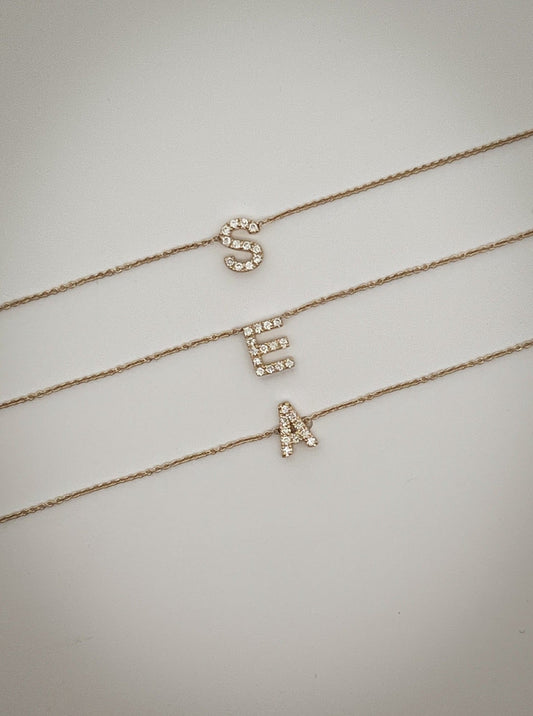
Jewellery is also often given as a gift and is therefore linked to memories of the person who gave it. A letter pendant with an initial or a necklace from a special occasion takes on a personal meaning that reaches beyond the material. That meaning is a big part of the reason why jewellery is often kept for many years and passed on in the family.
Jewellery lasts longer with a little care
How long a piece of jewellery keeps its appearance depends both on the material and on how it is cared for. Gold is resistant and keeps its colour, while silver can darken over time as it reacts with sulphur in the air. It is a natural process that can be removed again through cleaning.
Gemstones and metal gradually collect grease and dirt from the skin, and this in particular makes diamonds appear less clear. A gentle cleaning at regular intervals keeps the piece of jewellery looking good, and the method is covered in the article how to clean jewellery. Storing jewellery separately rather than mixed together also avoids scratches from harder stones and metals.