Why do my earrings turn black?
-

-
Black earrings are caused by a chemical reaction between the metal and the substances around it - primarily sulphur compounds in the air and on the skin, sweat, skincare and soap. It is not a sign that the jewellery is damaged, and it mainly affects silver, while pure gold is barely affected at all. Below we go through what happens in the metal, why some earrings turn black faster than others, and how the choice of material changes the picture.
The reaction can show up in two ways. Either the earring itself turns dark or grey, or a black mark appears on the skin behind the ear without the jewellery itself looking any different. The two things partly share the same cause, but not quite the same solutions, so it is worth keeping them separate.
Tarnishing is the most common cause of black earrings
When silver turns black, it is due to tarnishing. Silver reacts with sulphur-containing compounds in the air and forms a thin layer of silver sulphide on the surface, and it is this layer that appears as a grey to black coating. The process happens on its own over time and goes faster where there is a lot of moisture, or where the air contains sulphur - for example in a bathroom or close to certain cleaning products and cosmetics.
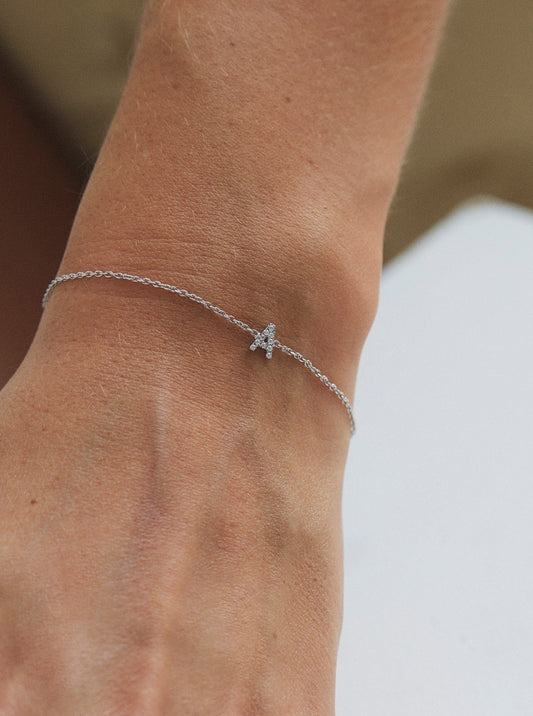
Sterling silver consists of 92.5 percent silver and a small proportion of other metals, and it is precisely the silver content that makes it able to tarnish. At Longvé, sterling silver is used for signet rings and a few necklaces and bracelets, among other things, while the earrings in the range are in 14K gold and 14K white gold. If you want to see the silver jewellery collected in one place, you will find it under silver.
Tarnishing is superficial. It does not eat into the metal and does not mean that the jewellery has been damaged - the layer can be polished away again, and the earring looks as it did before.
Why does the skin behind the ear turn black?
A black mark on the skin, without the earring itself changing colour, typically arises from a reaction between the metal, sweat and what you have on your skin. Sweat contains salts and acids, and together with skincare, perfume and residues of soap it can form small amounts of metal compounds that rub off as a dark streak.
Some people experience it more often than others, because the skin's acidity and amount of sweat vary from person to person. The same pair of earrings can therefore leave a dark mark on one person and nothing at all on another.
Alloys with a high proportion of metals other than gold are more inclined to react. The purer the gold, the less happens.
How the metal affects how often it happens
The choice of metal is the single factor that matters most for whether earrings turn black. Pure gold is very unreactive and practically does not tarnish, but it is also too soft for jewellery that has to withstand daily use. That is why gold is mixed with other metals, and it is the mixing ratio that determines the reactivity.
14K gold contains around 58 percent pure gold, and the rest is other metals that provide strength and durability. That proportion is high enough that the earrings are stable in daily use and do not tarnish the way silver does. 14K white gold has the same gold content, but is alloyed so that the colour becomes white, and that surface stays light without the greyish coating you know from silver. Both are part of Longvé's earrings, where you can see the selection in both gold and white gold.
Sterling silver stands at the other end. It is a beautiful and bright material, but the silver content means it tarnishes over time and needs to be polished at regular intervals to stay shiny.
Do diamonds and stones play a role?
The stone itself does not turn black. Diamonds do not react with air or sweat, and a diamond sits at ten on the Mohs hardness scale, where it is the hardest known natural material. This applies to both natural and lab-grown diamonds, which are chemically identical - the difference lies solely in how they were formed, not in how they behave on the ear.
What can turn dark is the setting and the rest of the jewellery around the stone, that is, the metal. If a diamond sits in a sterling silver setting, the silver can tarnish while the stone stays clear. In earrings with diamonds in 14K gold or 14K white gold, both stone and metal stay as they are. If you want to see the diamond-set earrings, they are under diamond earrings.
What do you clean black earrings with?
You can make tarnished silver shiny again with a soft polishing cloth intended for silver. The cloth removes the thin sulphide layer mechanically, and for smooth surfaces without stones this is usually enough. Wipe afterwards with a dry, clean cloth so that no residue is left behind.
For earrings with stones or fine details, where the cloth cannot reach, lukewarm water with a little mild soap and a soft toothbrush can loosen dirt in crevices and behind the stone. Rinse thoroughly and dry completely afterwards, because remaining moisture promotes exactly the tarnishing you are in the process of removing.
Be careful with abrasive agents and strong chemicals. They can scratch the metal and eventually make the problem worse instead of better. A more thorough review of method and agents is found in the guide how to clean earrings, and for jewellery more generally in how to clean jewellery.
How to keep your earrings bright for longer
Most tarnishing comes from moisture and contact with chemicals, so some of it can be avoided. Take your earrings off before you shower, exercise or use cream and perfume, and only put them in once the skincare has been absorbed. That way the metal avoids most of the sweat and products that drive the reaction.
Storage also matters. If silver jewellery is left out in the open, it tarnishes faster than if it is stored dry and separately, preferably in a closed bag or box where the pieces do not rub against each other.
For gold and white gold the need is smaller, but they still benefit from being wiped off after use and stored in a dry place.
Black earrings with newly pierced holes
With brand new piercings it is often recommended to leave the first earrings in place while the hole heals, and here many choose a type in a metal that tolerates close skin contact. That is a different situation from the earrings you switch to afterwards, and the reaction between metal and a wound that is healing does not quite follow the same pattern as the tarnishing of a piece of jewellery you wear daily.
Once the hole has healed and you can change freely, it is the material that determines how much the earrings tarnish. Earrings in 14K gold and 14K white gold stay bright with a minimum of care, while silver requires that you polish it at regular intervals. The entire selection can be seen under gold earrings.