What karats of gold are there?
-

-
When you look at a piece of gold jewellery, you quickly come across a number like 14 karat or a hallmark like 585. Both tell you the same thing, namely how large a part of the jewellery is pure gold. Gold comes in several levels of purity, from the soft, golden 24 karat to the harder alloys used for jewellery you wear every day. Understanding the scale makes it easier to know what you are actually getting, and why two pieces of gold jewellery can look alike and still cost vastly different amounts. Here is an overview of the karat grades you will encounter and what they mean.
Gold is measured in karats out of 24 parts
Karat indicates the purity of the gold and is always calculated out of 24 parts. (cite index="0-1">Karat describes the purity of the gold and is measured out of a total of 24 parts, and the higher the karat number, the more genuine gold the jewellery contains. Pure gold is therefore 24 karat, while lower grades mix the gold with other metals such as silver, copper and palladium. The added metals make the gold harder and more durable, and they also help determine the colour.
It is important to keep "karat" with a k separate from "carat" with a c. Karat with a k is about the purity of the gold, while carat with a c is a unit of weight for diamonds and other gemstones, where 1 carat equals 0.2 grams. The two words sound alike but describe two completely different things.
The different karat grades from 8 to 24 karat
In gold jewellery, the purity appears both as a karat number and as a parts-per-thousand number, which tells you how many thousandths of the metal are pure gold. The two numbers belong together and often appear side by side. (cite index="4-0,4-1">333 is 8 karat gold, 375 is 9 karat gold, 416 is 10 karat gold, 585 is 14 karat gold, 750 is 18 karat gold, 875 is 21 karat gold and 916 is 22 karat gold. Pure gold, 24 karat, corresponds to 999 parts per thousand.
Karat Parts-per-thousand hallmark Proportion of pure gold 8 karat 333 33.3 % 9 karat 375 37.5 % 10 karat 416 41.6 % 14 karat 585 58.5 % 18 karat 750 75.0 % 21 karat 875 87.5 % 22 karat 916 91.6 % 24 karat 999 99.9 % 585 is the same as 14 karat gold
The hallmark you most often come across on Danish jewellery is 585. The number means that the jewellery consists of 585 thousandths pure gold, that is 58.5 percent, while the rest is other metals. (cite index="5-5">When you see numbers like 925, 333 or 585 stamped in a piece of jewellery, it helps you understand why two pieces can look alike but cost very different amounts. 14 karat is the common standard in Denmark, because it strikes a good balance between a clear gold colour and a metal that can withstand daily wear.
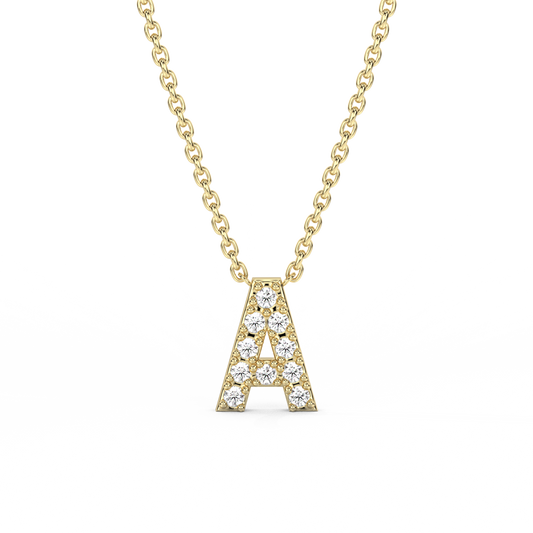
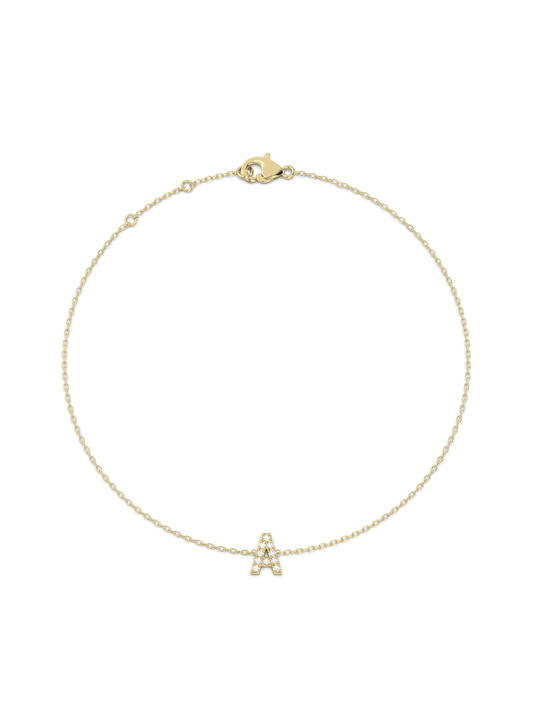
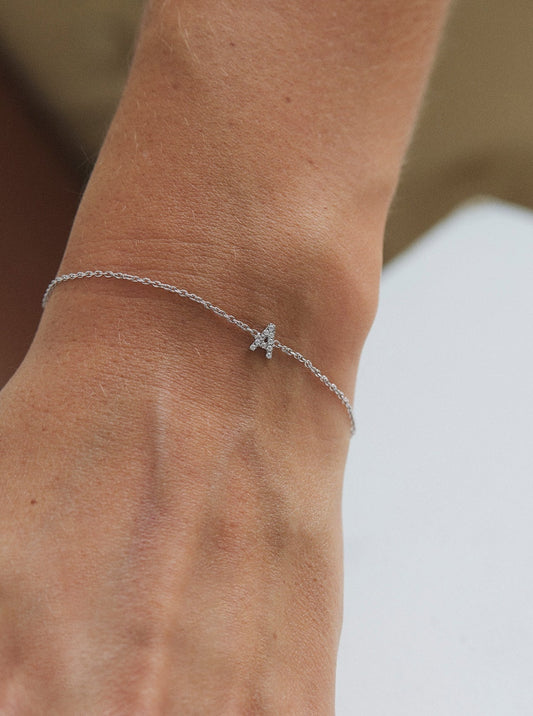
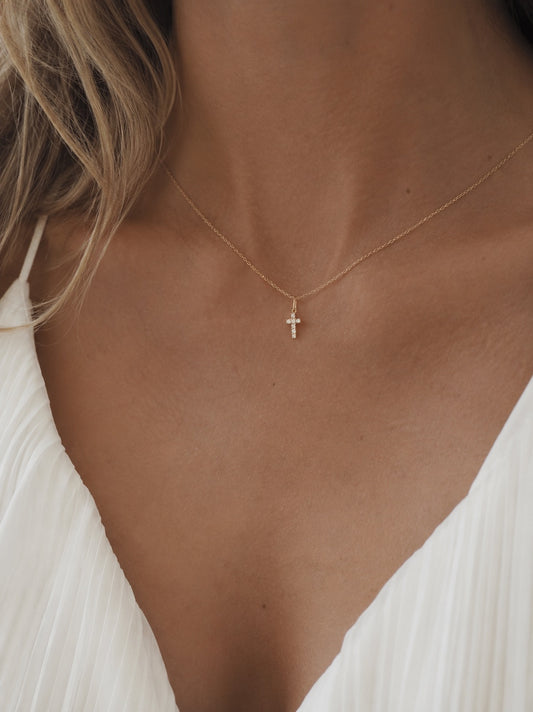
At Longvé, 14K gold and 14K white gold are precisely the core metals. The difference between the two lies in the metals mixed into the gold, where white gold gets its lighter, silver-grey tone. You will find both colours throughout the range, both in the gold collection and in white gold.
24 karat is pure gold, but too soft for jewellery
The purest gold is 24 karat, also called fine gold. Here there is virtually no other metal mixed in, and the colour is deep and warm. The problem is that pure gold is a soft metal. A piece of jewellery in 24 karat would easily bend, dent and scratch with ordinary use, and it is therefore rarely used for rings, bracelets and earrings that you wear every day. Instead the gold is alloyed with harder metals, so it becomes strong enough to hold settings and withstand wear.
That is why jewellery is typically 14 or 18 karat rather than 24. (cite index="2-0">Higher karat means more gold, a warmer colour and a higher price, but also a softer piece of jewellery, so 18 karat picks up small dents and scratches more easily than 14 karat. The lower the karat number, the harder and more durable the metal, but in return the gold colour becomes paler, because there is less pure gold in it.
What is 14 karat gold made of?
14 karat gold is a little over half pure gold, and the remaining just under half is other metals. The added metals determine both the strength and the colour. In gold, copper and silver are typically used, while white gold is alloyed with lighter metals such as palladium to give the characteristic silver-grey tone. The mixture is why the same karat number can appear in different colours without changing the gold content.
The fact that the gold is only partly pure does not mean it is less genuine. A hallmark like 585 is precisely a guarantee that the content of pure gold is exactly what it states. In Denmark, gold jewellery must be stamped with its purity, so you can always see what you are buying.
Which karat of gold suits you?
The choice of karat depends mostly on what the jewellery is to be used for. If it is to be worn daily, there is a lot to be said for 14 karat, which combines a clear gold colour with a metal that withstands wear. If you want a warmer, more saturated gold colour and are willing to take a little extra care of the jewellery, 18 karat can be a good choice. Lower grades such as 8 or 9 karat are harder and contain less gold, which gives a paler colour.
Regardless of the karat number, it comes down to how the jewellery is to live with you. A pair of ear studs or a fine necklaces in 14K gold are built to be worn every day, while more striking pieces like a rings better withstand daily contact with everything from keyboards to keys in a durable karat grade. If you want to delve deeper into the metals themselves, you can read more in the article which karat of gold is best