What is the highest karat gold?
-

-
The highest karat gold is 24 karat. This corresponds to almost pure gold, about 99.9 percent, and it cannot go any higher, because the karat scale is built precisely around 24 as the maximum. When a piece of jewellery is stamped 999, it is 24 karat and therefore the purest form of gold you can buy.
Although 24 karat is the top of the scale, it is rarely what you find in jewellery. Pure gold is so soft that it bends and scratches on its own with daily use. That is why gold is mixed with other metals, often resulting in a lower karat that holds up better in everyday life. Below we go through what karat actually measures, what the different levels mean, and why the highest karat is not the same as the best choice.
What karat measures in gold
Karat is a unit of measurement for how large a share of an alloy is pure gold. The scale runs from 0 to 24, where 24 karat denotes pure gold, also called fine gold. The number should be read as a fraction out of 24: 14 karat means 14 parts pure gold and 10 parts other metals, while 18 karat means 18 parts gold and 6 parts other.
The metals that are mixed in are typically silver and copper. They add strength, so the gold can withstand being worn daily without losing its shape. The lower the karat, the greater the proportion of these other metals, and the harder the finished material becomes.
Note the difference in spelling: karat with a k is used for the purity of gold, while carat with a c is used for the weight of a diamond. The two terms sound alike, but describe two completely different things.
Why 24 karat gold is too soft for jewellery
Pure gold is the most malleable metal that exists. It is precisely this property that makes it unsuitable for rings, bracelets and other jewellery you wear every day. A piece of jewellery in 24 karat would quickly get dents, scratches and lose the fine details in the design.
That is why 24 karat gold is primarily used for gold bars and coins, where purity counts for more than durability, and where the object is not exposed to wear. For jewellery, you instead choose an alloy that strikes a balance between a high gold content and a surface that can withstand being used.
What do the stamps 999, 750, 585 and 333 mean?
Gold is stamped according to its purity, stated in parts per thousand. The stamp tells you how many thousandths of the alloy are pure gold, and it is directly linked to the karat number.
Karat Stamp Share of pure gold 24 karat 999 99.9 % 18 karat 750 75 % 14 karat 585 58.5 % 8 karat 333 33.3 % A stamp such as 585 therefore means that 585 out of 1000 parts are pure gold, which corresponds to 14 karat. The stamp is typically located on the inside of a ring or on the clasp of a necklace, and it is the quickest way to read which karat a piece of jewellery has.
Which karat gold holds up best in everyday life?
In Denmark, 8, 14 and 18 karat are primarily used. 14 karat is a widespread choice for jewellery intended for daily use, because the alloy strikes a good balance between a clear gold colour and a surface that withstands wear. 18 karat has a higher gold content and a warmer colour, but is at the same time softer than 14 karat.
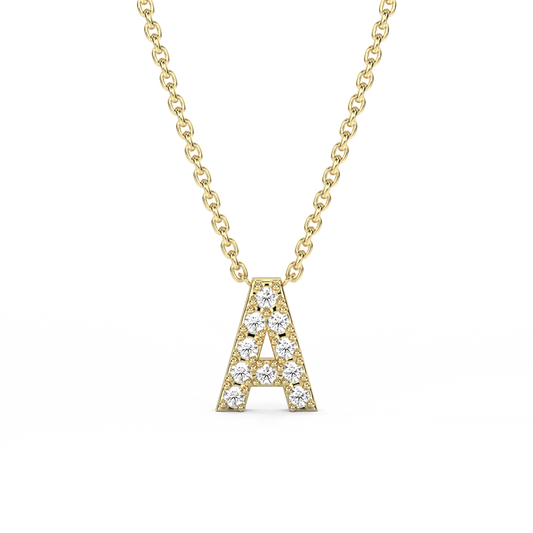
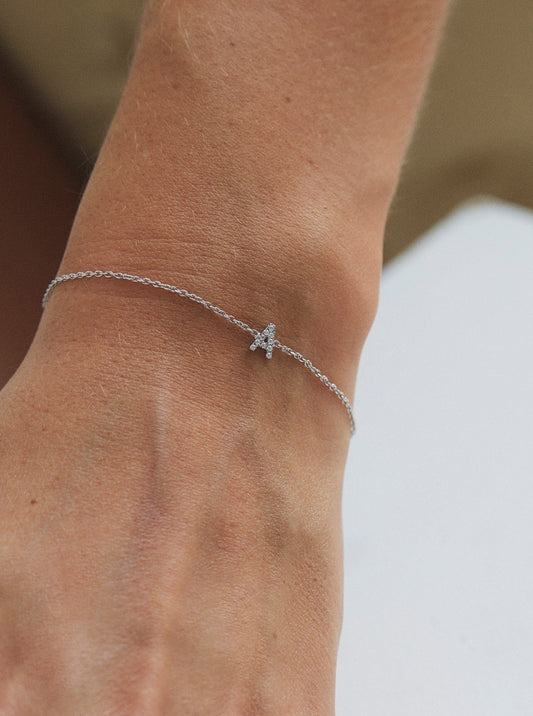
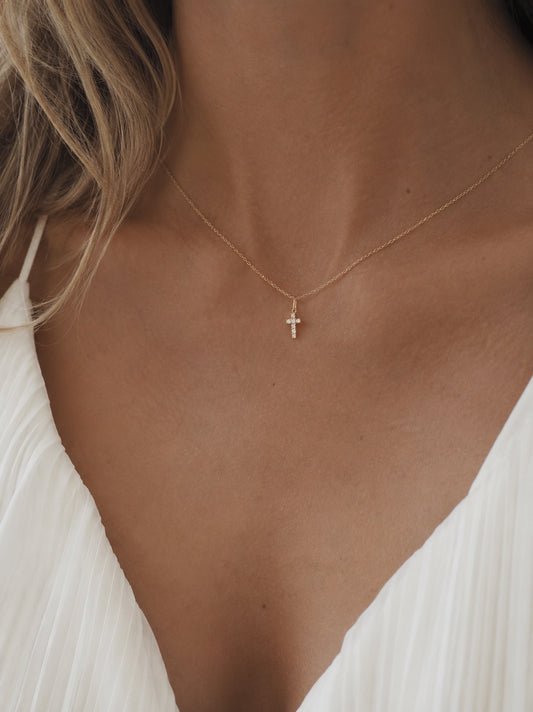
Longvé's range is built around 14K gold and 14K white gold. This applies across rings, necklaces and earrings, where precisely this karat gives jewellery that can be worn every day without taking damage. If you want the same gold colour in a cooler expression, many of the designs are also available in white gold.
The choice between karat levels is therefore less about chasing the highest number and more about how the piece of jewellery is to be used. For something that needs to withstand daily use, a lower karat is often the more practical solution than pure gold.
Is white gold also measured in karat?
Yes. White gold is measured on exactly the same karat scale as gold, because it is fundamentally gold mixed with other metals. The difference lies in which metals are added. Where ordinary gold is often alloyed with copper, lighter metals are used for white gold, giving the cool, silver-white colour.
A white gold piece of jewellery in 14 karat therefore contains the same gold content as a yellow piece in 14 karat, 58.5 percent. The karat number says something about the purity, not about the colour, and the two things can therefore be combined freely.