What is the difference between 14 and 18 carat gold?
-

-
If you are choosing between a piece of jewellery in 14 carat gold and one in 18 carat, it is easy to assume that the higher number is simply better. That is not how it works. The number tells you how much pure gold is in the alloy, and that proportion affects the colour, the hardness and the price. For a ring or a necklace you wear every day, it is not irrelevant which one you choose. Here we go through what the difference actually means, and why 14 carat is the metal most everyday jewellery is made from.
14 carat is 58.5% pure gold, 18 carat is 75%
Carat indicates the purity of the gold in an alloy, measured in 24 parts. (cite index="51-1,51-5">24 carat is almost pure gold, while 18 carat means that 18 out of 24 parts are gold and the rest are other metals, which make the material more durable and suitable for jewellery. (cite index="48-10,48-11">18 carat gold is 75% pure gold, while 14 carat gold is 58.5% pure gold. The rest are other metals that make the jewellery stronger.
The remaining metals are typically silver, copper and zinc, and it is these that determine how hard the gold becomes and what colour it gets. Pure gold on its own is too soft for jewellery that has to withstand daily use, so an alloy is necessary regardless of carat.
14 carat is harder and more resistant to scratches
The more alloy metal, the harder the jewellery becomes. (cite index="50-5,50-6">14 carat gold consists of 14/24 parts pure gold, corresponding to 58.3%. The rest, 41.7%, are alloy metals. (cite index="50-7">This makes 14 carat gold harder and more resistant to scratches and knocks than gold with a higher carat. (cite index="50-10,50-11">18 carat gold consists of 18/24 parts pure gold, corresponding to 75%. On the other hand, 18 carat gold is slightly softer than 14 carat and can in theory be marginally more susceptible to scratches with very hard use.
In practice, this means that a piece of jewellery in 14 carat keeps its surface better when exposed to movement and contact throughout the day. This is one of the reasons why many rings and bracelets are made specifically in 14 carat.
Good to know
If the jewellery is to be worn every day, hardness speaks in favour of 14 carat. The higher proportion of alloy metal makes the surface more resistant to the small scratches that daily use otherwise causes.18 carat has a deeper, warmer golden colour
The colour follows the gold content. (cite index="49-5,49-6">The more pure gold, the warmer and more saturated the golden tone becomes. 18 carat typically has a slightly deeper, richer golden colour than 14 carat, precisely because there is more pure gold in it. (cite index="48-24,48-25">14 carat is still clearly golden, but a touch cooler and lighter in tone.
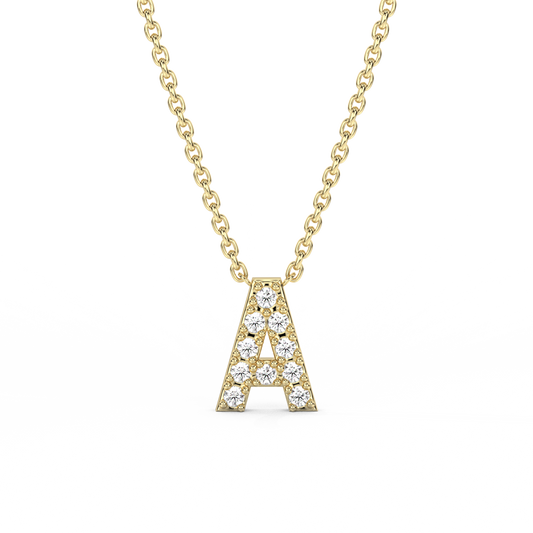
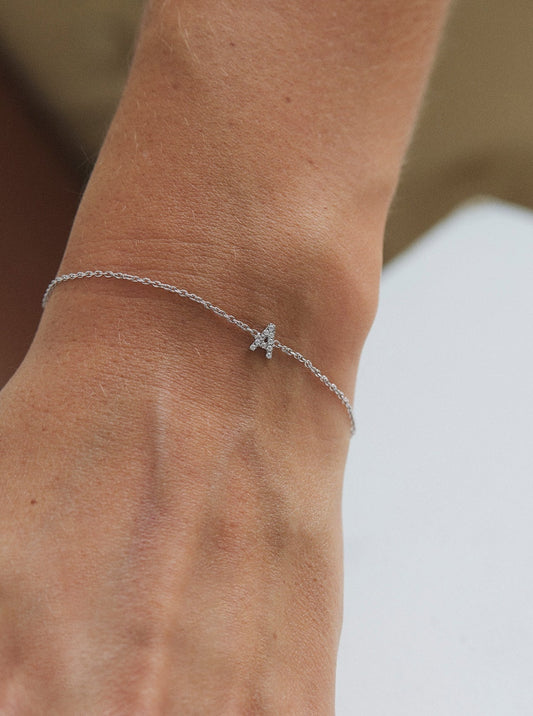
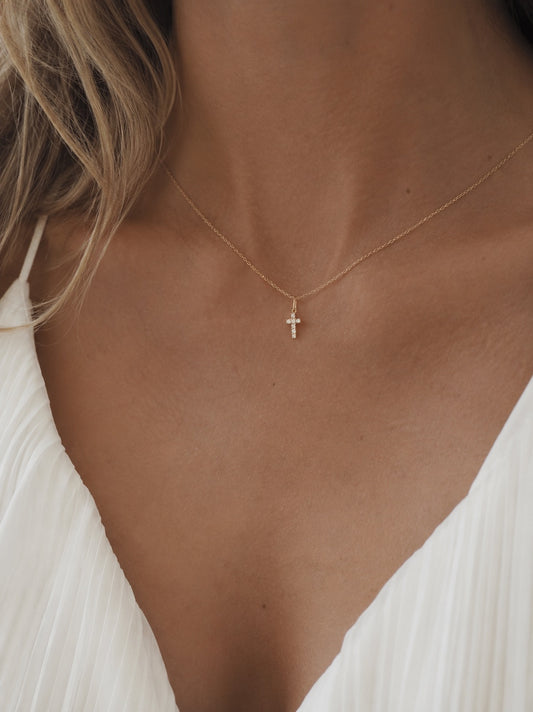
If you place the two side by side, the difference is visible but discreet. It is most noticeable in gold, where the higher gold content in 18 carat gives a richer nuance. At Longvé, both gold and white gold are in 14 carat, where white gold gets its cool, silver-grey tone from the alloy rather than from a yellow base colour.
18 carat is more expensive because there is more pure gold in it
The price of gold is set according to the amount of pure gold in the jewellery. (cite index="50-16">Since 18 carat gold contains significantly more pure gold than 14 carat, 18 carat gold is in itself more expensive to produce. With the same design and weight, a piece of jewellery in 18 carat therefore costs more than the equivalent in 14 carat, solely because of the material.
It is not a matter of one being genuine and the other not. Both are genuine gold with their own hallmark, and both work fine in everyday life. The choice is about what you prioritise most.
585 means 14 carat, 750 means 18 carat
A piece of gold jewellery is hallmarked with the pure gold proportion in thousandths. (cite index="48-30,48-31">585 means 14 carat, because there is 58.5% pure gold, and 750 means 18 carat, because there is 75% pure gold. If you find one of these two numbers on the inside of a ring or on the clasp of a necklace, you immediately know which carat the jewellery is.
The same numbers are officially used in Denmark to mark precious metal, so the hallmark is a reliable way to read the gold content.
What is the difference between 8 and 14 carat gold?
8 carat gold contains only 33.3% pure gold, that is a much smaller proportion than the 58.5% in 14 carat. The large amount of alloy metal makes 8 carat even harder, but at the same time the colour becomes paler and less golden, because there is less pure gold to give the warm tone. 14 carat hits a more balanced point between gold richness and durability, and that is why it is so widely used for jewellery worn often. If you want to read more in depth, we go through it in the article what is the difference between 8 and 14 carat gold
How to choose between 14 and 18 carat
The choice depends on how the jewellery is to be used, and what matters most to you.
- If the jewellery is to be worn daily and withstand a lot of movement, hardness speaks in favour of 14 carat.
- If you are after the deepest, warmest gold colour, 18 carat gives a richer nuance.
- If price weighs heavily, 14 carat is the more affordable choice with the same design.
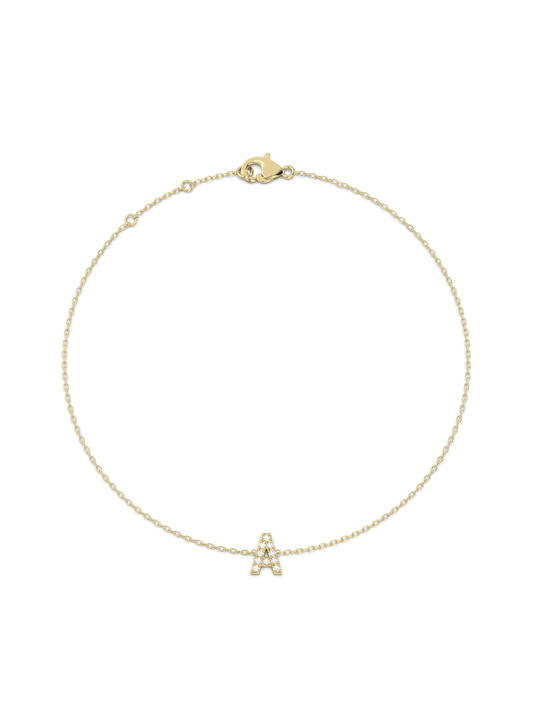
Longvé's jewellery is made in 14 carat, because it strikes the balance between a beautiful gold colour and a surface that withstands daily use. This applies to rings, necklaces and bracelets alike, where durability is precisely what matters, because the jewellery is worn close to the skin every day. If you want to read more about gold quality in general, you can take a closer look at the article what does 14 carat gold mean