Is there nickel in gold?
-

-
Pure gold does not contain nickel. The element gold is simply gold and nothing else, and in its pure form (24 carat) it is one of the most neutral metals that exist against the skin. The question of nickel only arises when gold is alloyed, that is, mixed with other metals to make it harder and more durable. It is in that alloy that nickel may in some cases be present - not in the gold itself.
Pure gold is too soft for jewellery you wear every day. That is why it is almost always alloyed. 14 carat gold consists of 14 parts gold out of 24, that is about 58.5 percent pure gold, while the rest is other metals. Which metals those are determines whether the piece of jewellery can contain nickel at all.
In short: if you have a nickel allergy, it is not the carat number alone that determines whether a gold piece is safe for you - it is the composition of the alloy.
When nickel can actually be in gold
Nickel is used in the jewellery industry because it is cheap, hard and white. The latter is the reason why nickel has historically been associated especially with white gold: to give gold a white colour, the gold has to be mixed with a white metal, and nickel was for many years one of the most common choices for exactly that.
In gold, nickel is rarer. Here copper and silver are typically used to alloy the gold, and neither of them has anything to do with nickel. A yellow 14K gold piece of jewellery therefore usually contains no nickel at all - but that is not a guarantee that follows automatically from the colour, because the composition can vary from manufacturer to manufacturer.
What is decisive is what the gold is alloyed with. Two rings can both be stamped 14K and yet have widely differing content of the other metals.
Why white gold is more often associated with nickel
White gold gets its bright, cool colour from the white metals it is mixed with. Nickel produces a very white, hard alloy and was therefore long the preferred choice. Today many jewellery manufacturers use palladium instead, which is also white but does not trigger a nickel allergy.
On top of the alloy itself, almost all white gold is given a surface of rhodium. Rhodium is a silver-white precious metal that is electroplated on as a thin layer and gives white gold its clear, mirror-bright finish. As long as that layer is intact, there is no direct contact between the skin and the underlying alloy - not even if the alloy should contain nickel. Over time the rhodium layer can wear away, and then the piece can be re-rhodium-plated so that the surface is renewed.
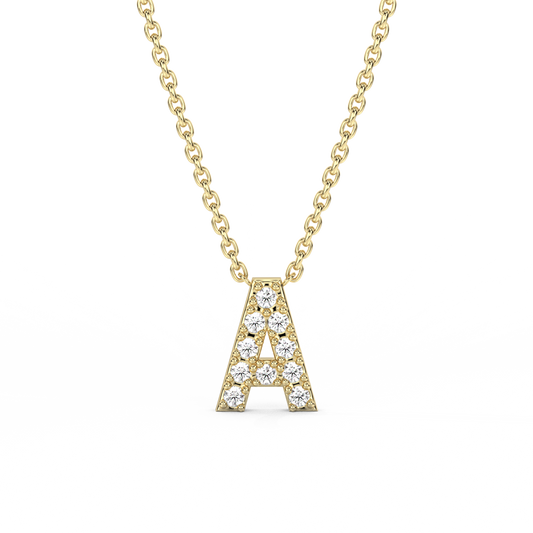
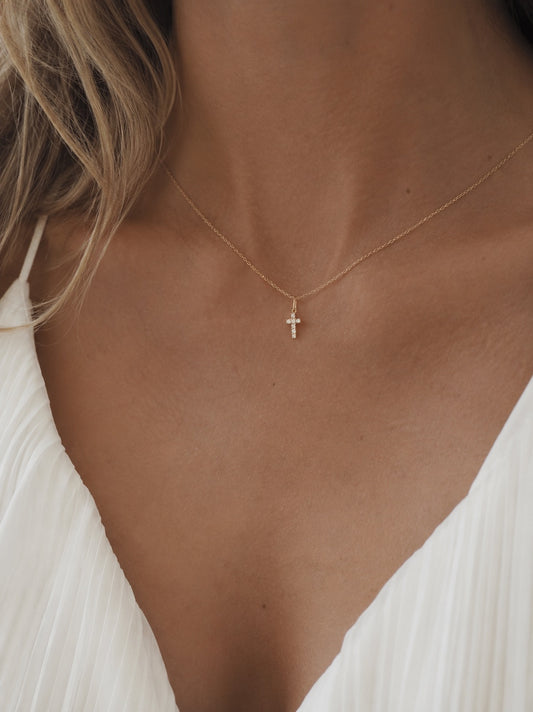
Longvé carries both 14K gold and 14K white gold. If you want to see the selection in the bright variant, you will find it under white gold, while the yellow models are found under gold.
What does nickel mean for you as an allergy sufferer?
Nickel allergy is one of the most widespread contact allergies. It typically shows up as redness, itching and small blisters where the jewellery touches the skin - under a ring, behind an ear stud or where a necklace lies against the neck. The reaction only occurs on contact and requires that nickel is actually released from the jewellery.
To protect allergy sufferers, there are rules in the EU for how much nickel a piece of jewellery may release to the skin over time. This means that even a piece containing traces of nickel in the alloy must stay below a set limit for release. The rules are particularly relevant for items with prolonged skin contact, precisely like rings and earrings.
If you have been diagnosed with a nickel allergy, it is therefore worth knowing what a piece of jewellery is alloyed with, rather than only looking at the carat number.
How to choose gold if you are sensitive to nickel
Choose a piece of jewellery where the alloy is known. Yellow 14K gold alloyed with copper and silver is usually a safe choice, because no nickel is included in the mixture at all. If you prefer a white colour, white gold alloyed with palladium instead of nickel can be the way to go.
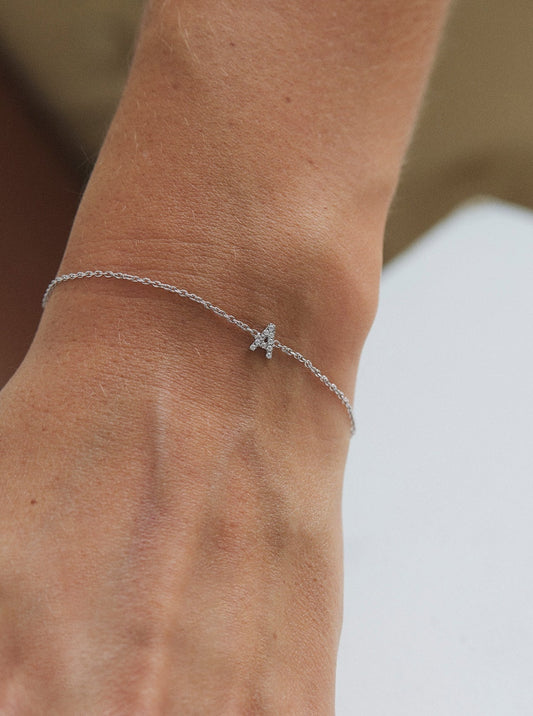
To avoid the question entirely, sterling silver can be an alternative. Sterling silver consists of 92.5 percent silver and 7.5 percent other metals, most often copper, and normally does not contain nickel. At Longvé, sterling silver is used among other things for signet rings and for a few necklaces and bracelets.
Diamonds play no role in the question of nickel. Neither natural nor lab-grown diamonds contain metal - they are pure carbon - so it is solely the setting and the ring band, that is, the metal itself, that determines whether a diamond piece can cause a reaction.
How to see what a gold piece contains
The hallmark in a gold piece tells the carat number, that is, the amount of pure gold, but not which other metals have been used. A "585" stamp means, for example, 58.5 percent pure gold, which corresponds to 14 carat, but says nothing about whether the rest contains nickel, copper, silver or palladium.
If you want to know for certain, the most reliable way is to obtain the alloy information directly from the retailer or manufacturer of the specific piece. The colour alone is not proof: gold is most often nickel-free, and modern white gold often is too, but neither can be read from the hallmark. Once you know the composition, you can confidently choose the gold that suits your skin.